

Before You Spend More on Marketing, Look at the Whole Business

One of the first things business owners tend to say when growth slows down is, "I need more marketing."
Sometimes they're right.
But sometimes the business is already attracting interest and losing people somewhere along the way. The phone isn't answered consistently. Contact forms sit in an inbox. The website attracts the wrong audience. The team is stretched too thin to take on more work. Or the customer experience doesn't live up to what the marketing promised.
In those situations, sending more people into the same broken process doesn't solve the problem. It makes the problem more expensive.
Why Isn't My Marketing Working?
Marketing may not be working because the problem isn't limited to promotion. Poor results can come from unclear positioning, the wrong target audience, a confusing website, inconsistent sales follow-up, operational bottlenecks, limited team capacity, or a customer experience that causes people to leave.
Before increasing a marketing budget, it's worth looking at the whole business to determine where growth is actually getting stuck.
That's the difference between simply buying more marketing and building a strategy that supports the business.
Marketing Doesn't Operate on Its Own
Marketing is often treated like a separate department: social media, Google Ads, SEO, email, a new website, a seasonal promotion.
But customers don't experience your business in separate departments. They experience one connected journey.
They may find you through Google, visit your website, read reviews, submit a form, wait for a response, speak with a team member, book a service, and decide afterward whether they'd return or recommend you. Every part of that experience affects whether the marketing succeeds.
A great ad can't compensate for a website that creates doubt. Strong search visibility can't turn into revenue if nobody follows up. A polished brand can't build lasting loyalty if the actual experience feels disorganized. And generating more leads won't help if the team doesn't have the capacity or systems to handle them.
This is why better marketing often starts outside the marketing department.
If you're generating attention but not seeing enough sales, the answer may not be more traffic. It may be a problem with messaging, trust, follow-up, capacity, or customer experience.
Diagnosis Should Come Before the Prescription
A doctor wouldn't prescribe treatment without understanding the symptoms. A mechanic wouldn't replace random parts without diagnosing the vehicle. Business growth should be approached the same way.
Before recommending a website, SEO campaign, paid advertising, CRM, or automation, the whole business is worth looking at:
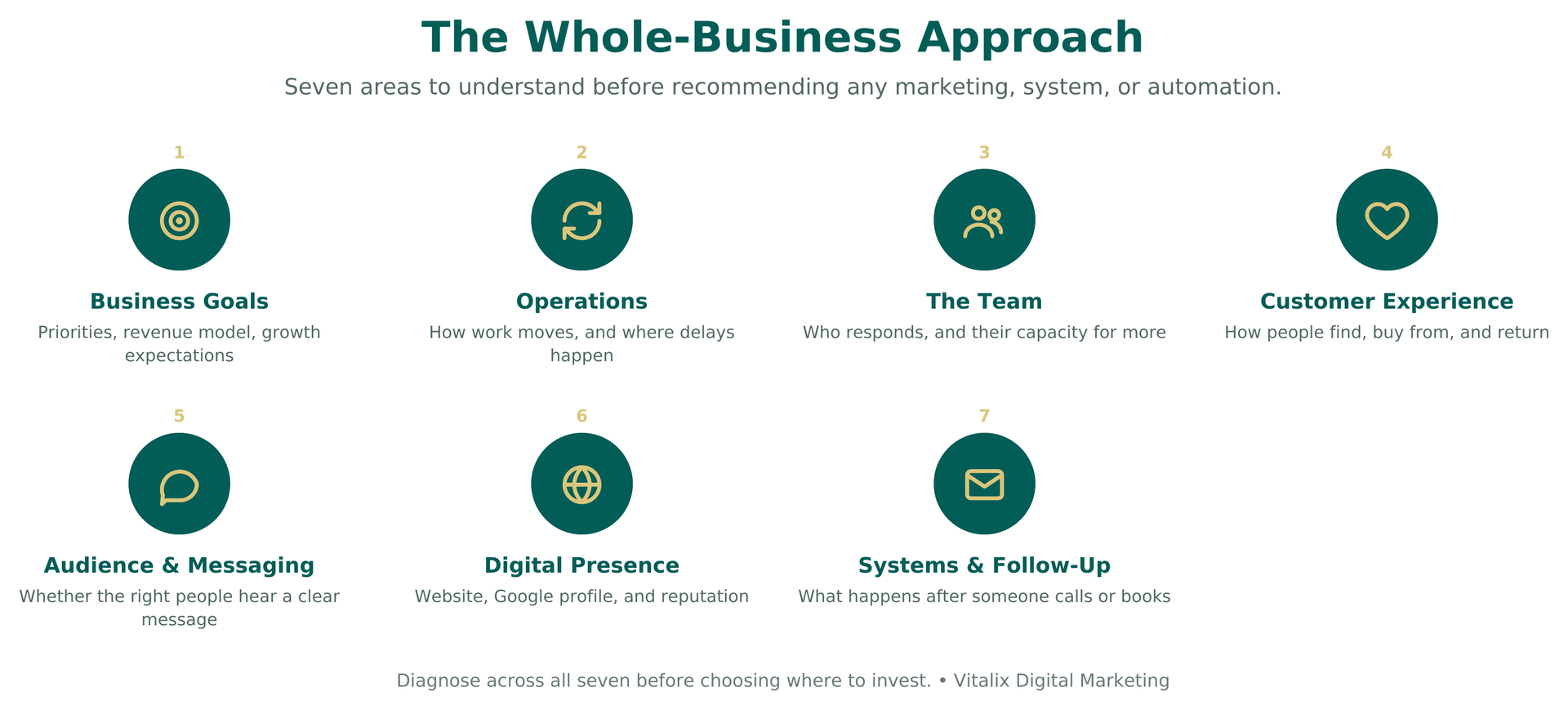
- The business itself — goals, priorities, revenue model, growth expectations
- Operations — how work moves through the business, and where the delays are
- The team — who responds to inquiries, and whether they have the capacity for more
- Customers and customer experience — how people find, evaluate, buy from, and return
- Target audience and messaging — whether the business is attracting the right people, and whether its value is clear to them
- Digital presence — whether the website, Google Business Profile, and reputation accurately represent the business
- Systems and follow-up — what actually happens after someone calls, clicks, books, or fills out a form
Only then can we determine which marketing, system, or automation would actually help.
Do You Need More Leads or Better Systems?
This is one of the most important questions a business can ask.
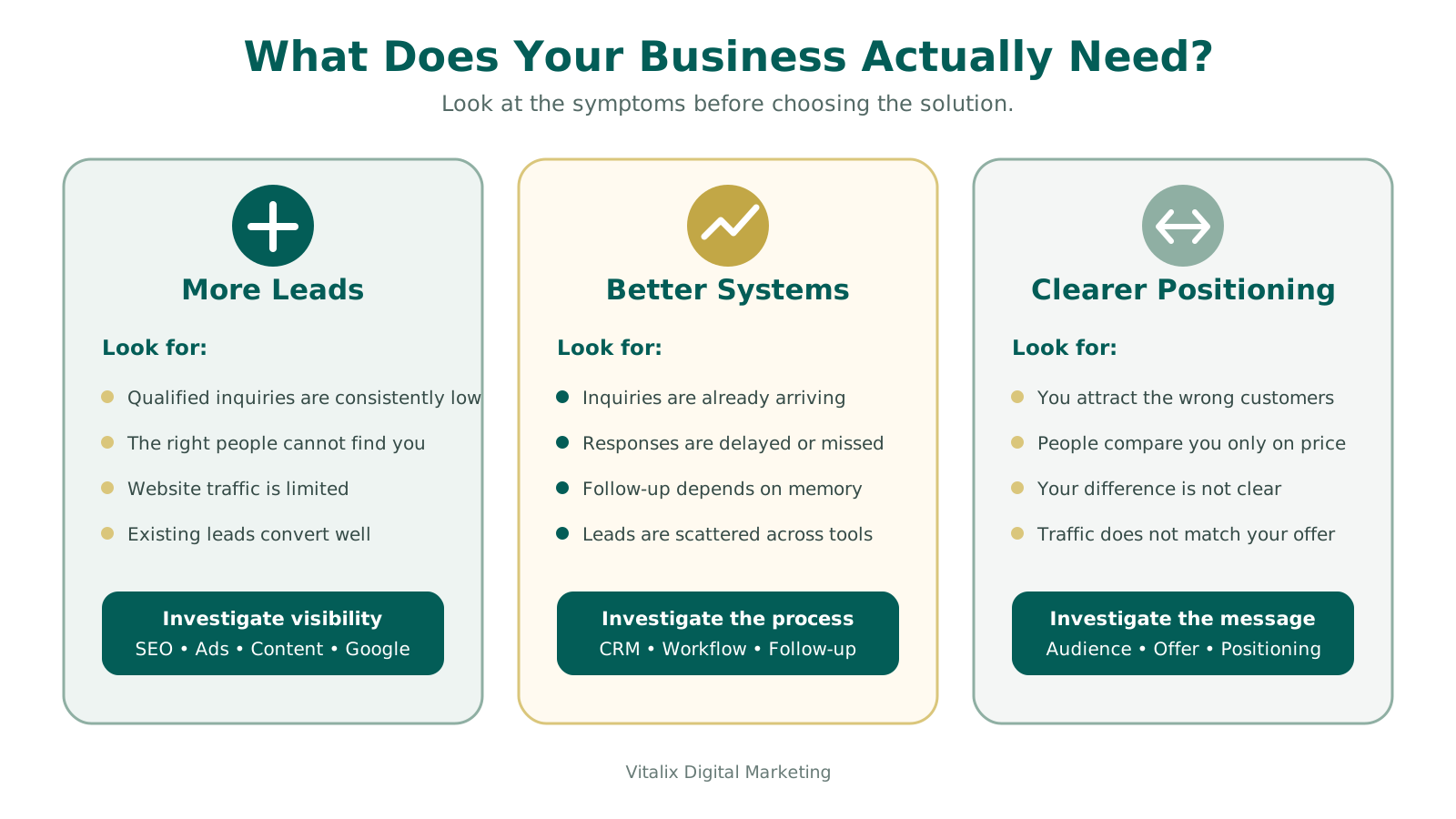
More leads, better systems, and clearer positioning solve different problems. Knowing which one you actually have prevents you from investing in the wrong solution.
Four Common Situations Where "More Marketing" Isn't the First Answer
Since the visible symptom and the real bottleneck aren't always the same, here's what that looks like across four common requests:
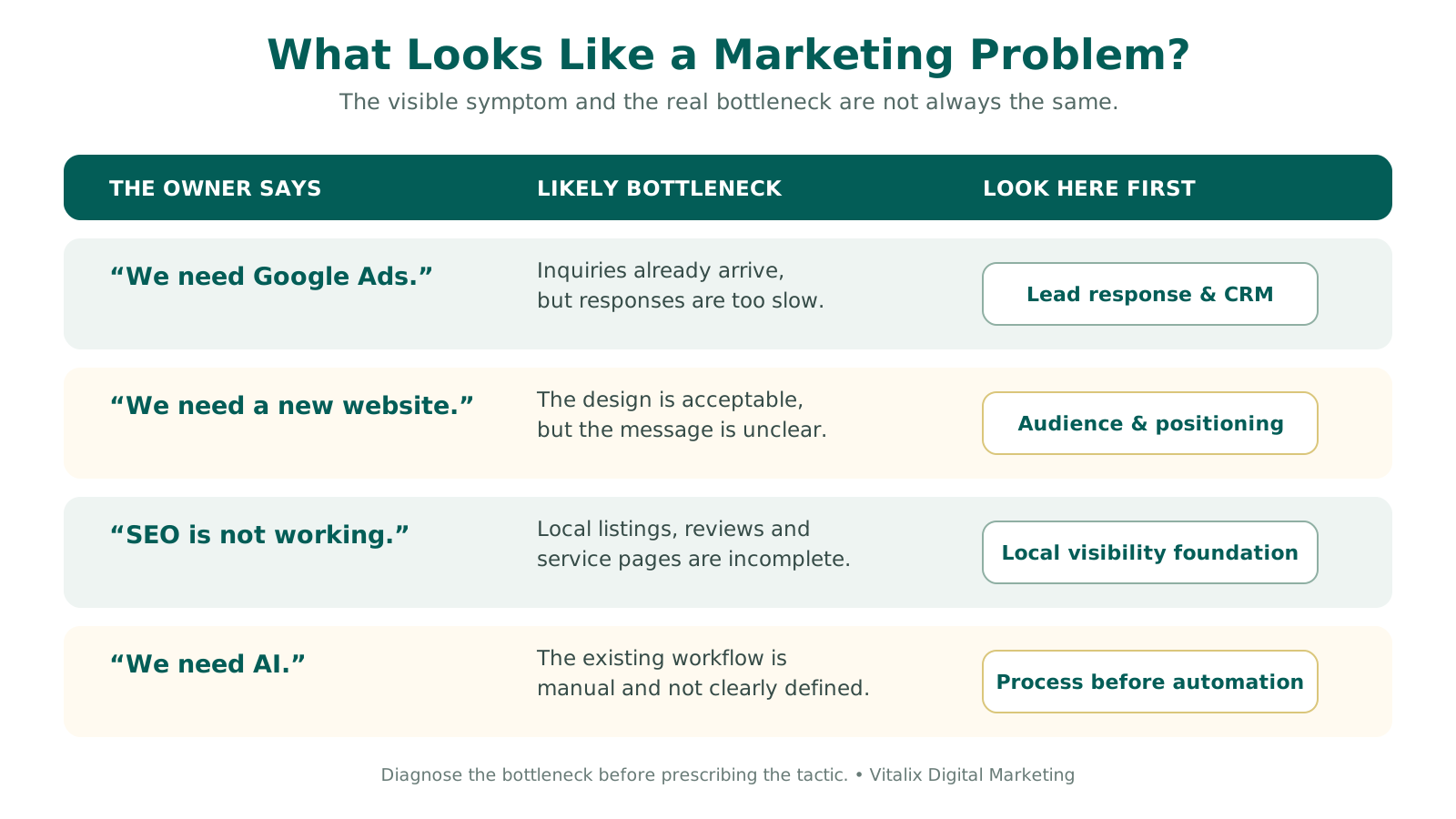
1. "We need Google Ads" The business wants more calls, so paid advertising seems like the obvious next step. But a closer look shows inquiries are already coming in — they're just not getting a response until the next day, sometimes later. By then, the potential customer has already contacted someone else.
What may help first: a clearer lead-response process, a centralized CRM, immediate confirmation, and follow-up automation. (If you're not sure whether a CRM is even the right move yet, Is the Leads Toolkit CRM Right for Your Business? walks through that question directly.)
2. "We need a new website" The owner feels the website looks dated and assumes a redesign will improve sales. The design may need attention, but appearance isn't always the central problem — often the website never clearly explains who the business helps, what makes it different, or what the visitor should do next.
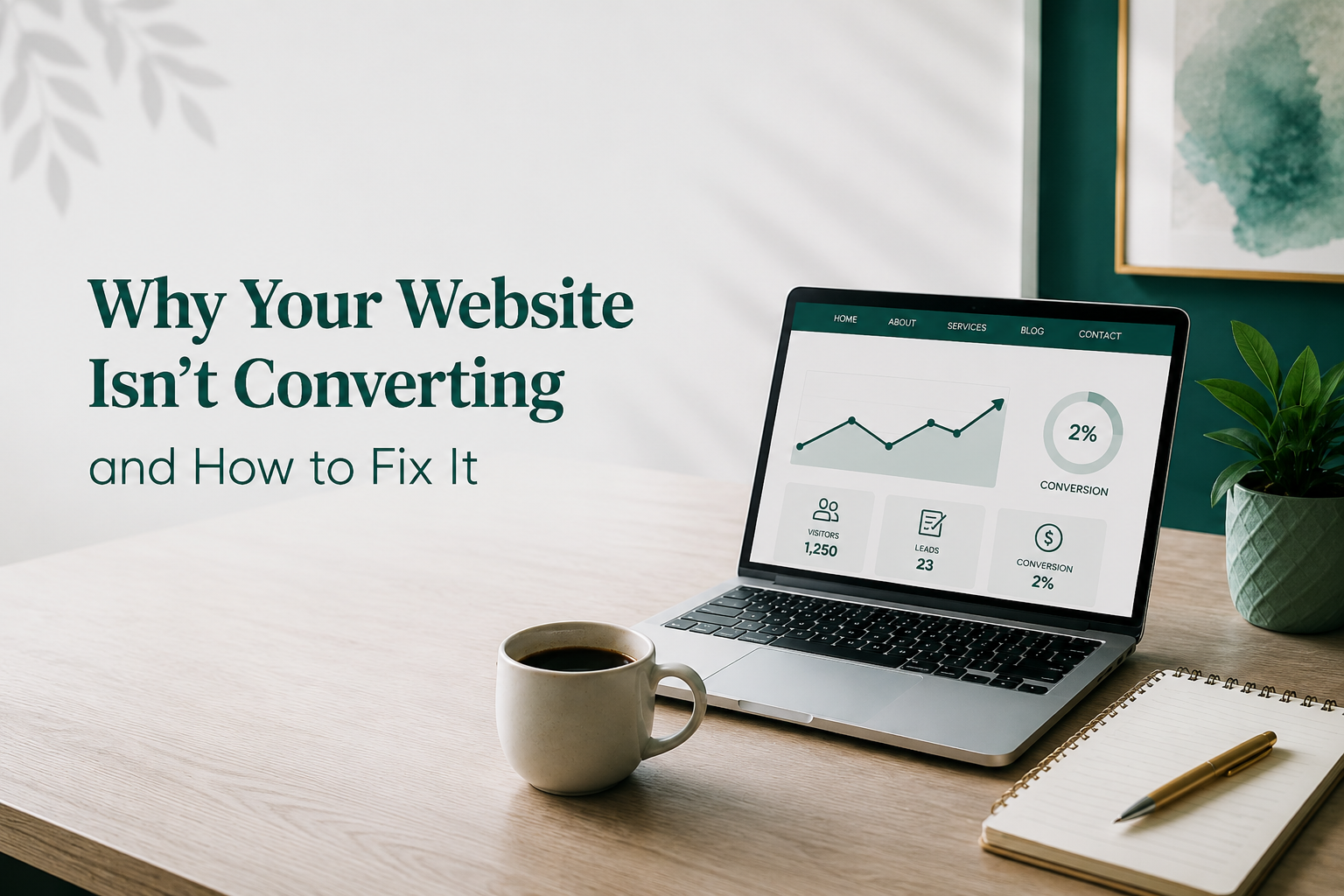
What may help first: audience research, positioning, stronger messaging, and a clearer customer journey. (For the specific mistakes that most commonly hold a website back, see Why Your Website Isn't Converting (And How to Fix It).)
3. "SEO isn't working" The business doesn't appear when someone searches for its services, so the assumption is a large SEO campaign is needed. Then it turns out the Google Business Profile is incomplete, business information is inconsistent online, reviews are limited, and the website has one short page covering every service.
What may help first: improving the Google Business Profile, building accurate service pages, and creating a consistent review process. (For the fundamentals, What Is SEO and How Does It Work? covers the basics this builds on.)
4. "We need AI and automation" AI tools sound like an opportunity to save time and modernize the business. But if the existing process is unclear, automating it just creates faster confusion. A business manually copying leads between email, sticky notes, and spreadsheets may need a simple centralized workflow before adding an AI receptionist.
What may help first: map the process, remove unnecessary steps, and identify the repetitive task creating the most friction.
The best first automation is usually not the flashiest one. It's the one that solves a real, repeated problem for the team or the customer.
What Should a Small Business Fix Before Investing in More Marketing?
Before spending more, review these five areas:
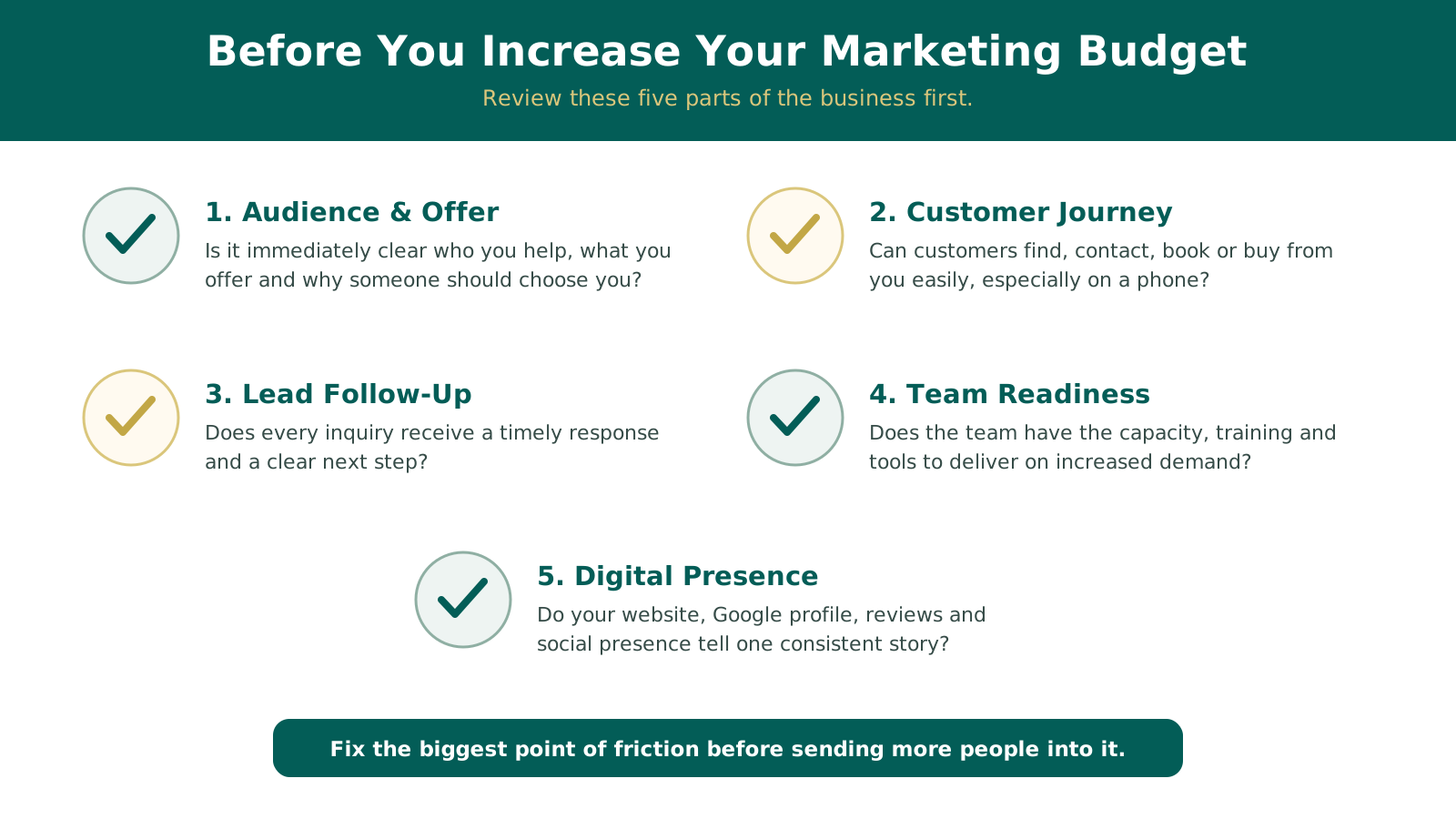
1. Make sure the offer and audience are clear. Can a potential customer quickly understand what you do, who it's for, and why they should choose you? If not, more visibility may only bring more confused visitors.
2. Test the customer journey yourself. Search for the business as a customer would. Visit the website on a phone. Call the main number. Complete the contact form. Try to book. For a step-by-step version of this, use the customer journey checklist.
3. Review response time and follow-up. Who receives the inquiry, how quickly do they respond, and what happens if the customer doesn't book right away? If that process is inconsistent, read What Happens After Someone Fills Out Your Contact Form?
4. Confirm the team can deliver what marketing promises. Marketing shapes expectations. The team delivers the experience. This is why customer experience starts with your team.
5. Evaluate the complete digital presence. Your website is one part of how people evaluate the business — a Google listing, reviews, social profiles, and directories all shape whether someone trusts you enough to take the next step. Understanding Digital Visibility breaks this down in more detail.
Should I Invest in a Website, SEO, Ads, CRM, or Automation First?
The right first investment depends on the bottleneck:
| If this is the main problem | Start by considering |
|---|---|
| People can't understand or trust the business online | Website, branding, messaging, and customer proof |
| The right customers can't find the business | SEO, local SEO, Google Business Profile, and content |
| The offer is proven and faster visibility is needed | Google Ads or paid social advertising |
| Inquiries are being missed or follow-up is inconsistent | CRM, lead management, and automation |
| Repetitive calls or questions consume the team's time | AI receptionist, chatbot, or workflow automation |
| The business is attracting the wrong people | Target-audience research, positioning, and messaging |
| More demand would overwhelm the team | Operations, capacity, and customer-delivery systems |
These are starting points, not universal prescriptions. Many businesses need a combination, but the sequence matters. Running ads before fixing a confusing landing page can waste the advertising budget. Installing a CRM before deciding how leads should be handled can create a system nobody uses. Redesigning a website before clarifying the message can preserve the real problem under a more attractive design.
The right order makes each investment work harder.
Good Strategy Is Not About Doing Everything
Small business owners are constantly told what they should add: more content, more video, more automation, more ads, a new platform, the latest AI tool.
But growth isn't always about adding more.
Sometimes it's about removing friction. Sometimes it's about connecting tools the business already pays for. Sometimes it's about helping the team respond consistently. Other times, the business has outgrown several parts of its current setup and needs a larger overhaul.
A useful strategy doesn't begin with a predetermined service. It begins with the right questions.
A Whole-Business Approach to Marketing and Growth
My background is in management, operations, and marketing, so I naturally look at the bigger picture first.
I want to understand how the business operates, how the team works, what customers experience, who the target audience is, and how the current digital presence supports the business. Then I determine which marketing, systems, or automation would actually help.
Sometimes the answer is a better website and stronger visibility on Google. Sometimes it's better lead follow-up or a CRM. Sometimes it's improving the customer journey or implementing practical automation. And sometimes it's a much bigger overhaul.
The goal isn't to sell every business the same list of services. It's to identify what's holding the business back, and build the right strategy around the business you've already worked so hard to create.
This is really the diagnostic version of the six parts of marketing — figuring out which of the six is actually the bottleneck, before spending on any of them.
FAQ
Why is my marketing getting attention but not generating sales? Attention can be lost when the message attracts the wrong audience, the offer is unclear, the website creates doubt, follow-up is slow, or the sales and customer experience don't support the marketing. Review the complete journey from discovery to purchase before increasing traffic.
How do I know whether I need more leads? You likely need more leads when qualified inquiries are consistently low and the business converts the right opportunities well. If inquiries are already arriving but are missed, delayed, or not converting, improve the process before generating more volume.
What should a small business automate first? Start with a repetitive, rules-based task that regularly consumes time or causes opportunities to be missed — confirming inquiries, assigning leads, booking reminders, and routine follow-up are common starting points. Map the process before automating it.
Does every small business need a CRM? Not every business needs a complex CRM. It becomes valuable when leads and customer information are hard to track, several people handle inquiries, follow-up is inconsistent, or the business needs clearer visibility into its sales process.
Should I improve my website or invest in SEO first? If the website is confusing, outdated, or doesn't explain the services properly, fix that foundation first. If the website already communicates clearly but qualified customers can't find it, SEO may be the next priority. Often the two are planned together.
Can more marketing make a business problem worse? Yes. More marketing can increase the number of people entering a weak process — more missed inquiries, an overwhelmed team, more poor reviews, or wasted ad spend. Fixing the main bottleneck first helps the business actually benefit from future demand.
Ready to Find Out What Your Business Actually Needs?
Before adding another tactic, take a step back and look at the complete picture.
Vitalix Digital Marketing combines business insight, digital strategy, systems, and automation to help small businesses understand where growth is getting stuck — and what to do next.
About the Author
Monica Habersack is the owner and Marketing Director of Vitalix Digital Marketing. With more than 15 years of experience in management, operations, and marketing, she helps business owners connect strategy, customer experience, digital marketing, and practical systems.



































About Vitalix Digital
We help small and medium- sized businesses grow with strategic marketing, high performing websites, and lead generation systems that actually work.
Free Resources

Website Examples