

Email Sequences That Nurture Leads Without Sounding Like a Pitch

Early on, I made the mistake a lot of business owners make with email: I only sent one when I had something to sell.
A launch. A promotion. A new offer.
Silence in between.
It took me a while to notice the pattern — people who'd been genuinely interested a month earlier had gone cold by the time I actually asked them to buy. Not because they'd lost interest in working with me. Because I'd gone quiet, then shown up asking for something.
That's the trap almost every coach, consultant, and professional service provider falls into with their list. A good email nurture sequence for consultants and coaches alike exists to close that trap — without turning every message into a pitch.
Why "Just Emailing When You Have News" Doesn't Work
Sending an email only when you have a launch, a promotion, or an announcement trains your list to expect sales messages — and to tune them out. Nurture sequences work differently: they build trust and familiarity in the quiet space between someone's first interest and their readiness to buy, so that when you do have an offer, it lands with someone who already trusts you.
What a Nurture Sequence Actually Contains
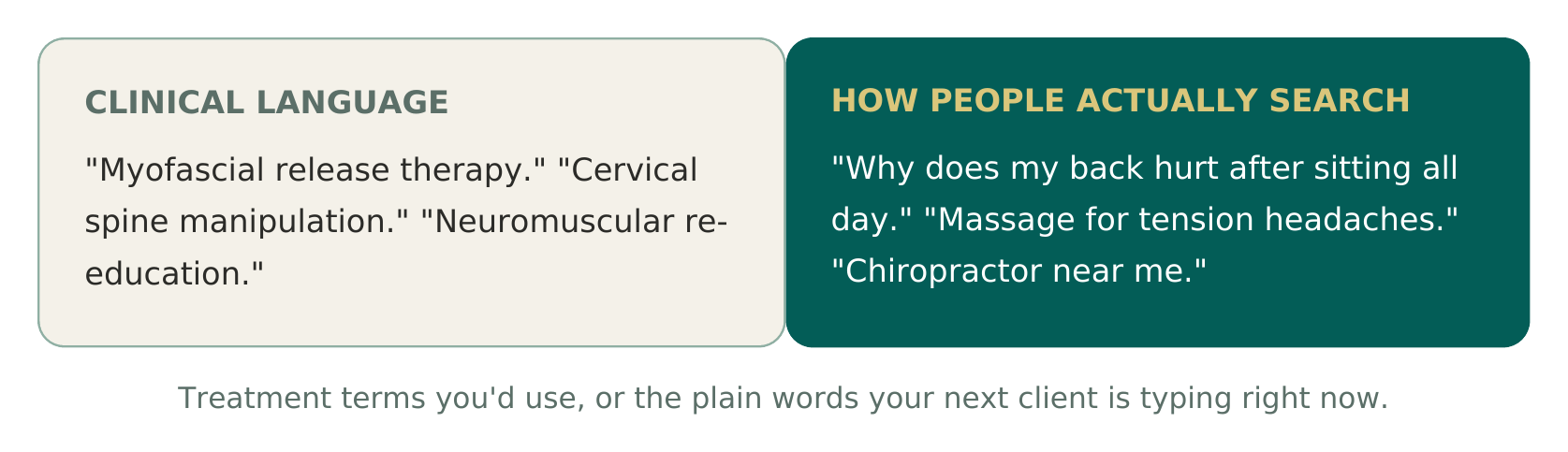
Sales-Only Emails Silence for weeks, then a launch announcement out of nowhere. The list has forgotten why they signed up.
A Real Nurture Sequence A warm welcome, useful insights, a client story, and only occasional, low-pressure invitations — trust built before it's ever needed.
A strong sequence for a coach or consultant isn't a string of sales emails. It's usually a mix of:
- A warm welcome that delivers on whatever the person signed up for, immediately
- Value-first emails sharing a genuinely useful insight, framework, or answer to a common question
- Social proof in the form of a client story or transformation, told narratively rather than as a testimonial dump
- A soft invitation to take the next step — a call, a resource, a reply — without demanding it
The ratio matters: most of the sequence should be helpful on its own, with only occasional, low-pressure invitations to go further.
Write Like You Talk
Coaching, consulting, and most professional services are relationship-driven businesses, and email is one of the few channels where that relationship can come through directly. Emails that sound like a real person talking to one reader — rather than a broadcast to a list — consistently outperform overly polished, corporate-sounding copy in this space.
Write each email like you're replying to one specific client's question.
Not addressing a crowd.
Automate the Timing, Not the Personality

"Leads who don't hear from you within the first week of showing interest rarely re-engage on their own — the window closes faster than most business owners expect."
The mechanics of a nurture sequence — when each email sends, based on when someone joins your list — are exactly what a CRM or email automation system is built to handle. This is the part that should run in the background without your daily attention.
What shouldn't be automated away is the voice.
The emails should still sound like you. Even though they're sent automatically.
Segment When You Can
Not every lead is at the same stage. Someone who just downloaded a free guide is in a different place than someone who abandoned a discovery call booking halfway through. Where possible, tailoring the sequence — or at least the entry point — to where someone actually is in their decision process makes the follow-up feel relevant rather than generic.
FAQ
How many emails should be in a nurture sequence? There's no fixed number, but most effective sequences run five to seven emails over two to four weeks before shifting to a lower-frequency, ongoing newsletter.
Won't automated emails feel impersonal? Not if the writing sounds like you. Automating the timing and delivery is different from automating the voice — the content should still read like a real message from you.
What's the best email sequence for new coaching or consulting leads? A welcome email that delivers on what they signed up for, followed by two to three value-first emails, a client story, and one low-pressure invitation to book a call — spaced roughly every 3-4 days over two to three weeks tends to perform well without feeling pushy.
How often should I email my list after the nurture sequence ends? Most coaches, consultants, and professional service providers see good results with a weekly or biweekly newsletter after the initial sequence — frequent enough to stay top of mind, infrequent enough not to feel like spam.
What's a good welcome email for a consulting or coaching business? One that immediately delivers what was promised (the guide, the resource, the access), sets expectations for what's coming next, and includes a small piece of your personality or story — not a hard sell in the very first message.
The Takeaway
A nurture sequence isn't about emailing more. It's about making sure the people who already showed interest in working with you don't get forgotten simply because they weren't ready that day.
I learned that the expensive way. You don't have to.
Done well, a nurture sequence turns a list of past interest into a steady, ongoing source of ready clients.
If you don't currently have a system tracking and following up with your leads automatically, that's exactly the gap our CRM service is designed to close.



































About Vitalix Digital
We help small and medium- sized businesses grow with strategic marketing, high performing websites, and lead generation systems that actually work.
Free Resources

Website Examples