

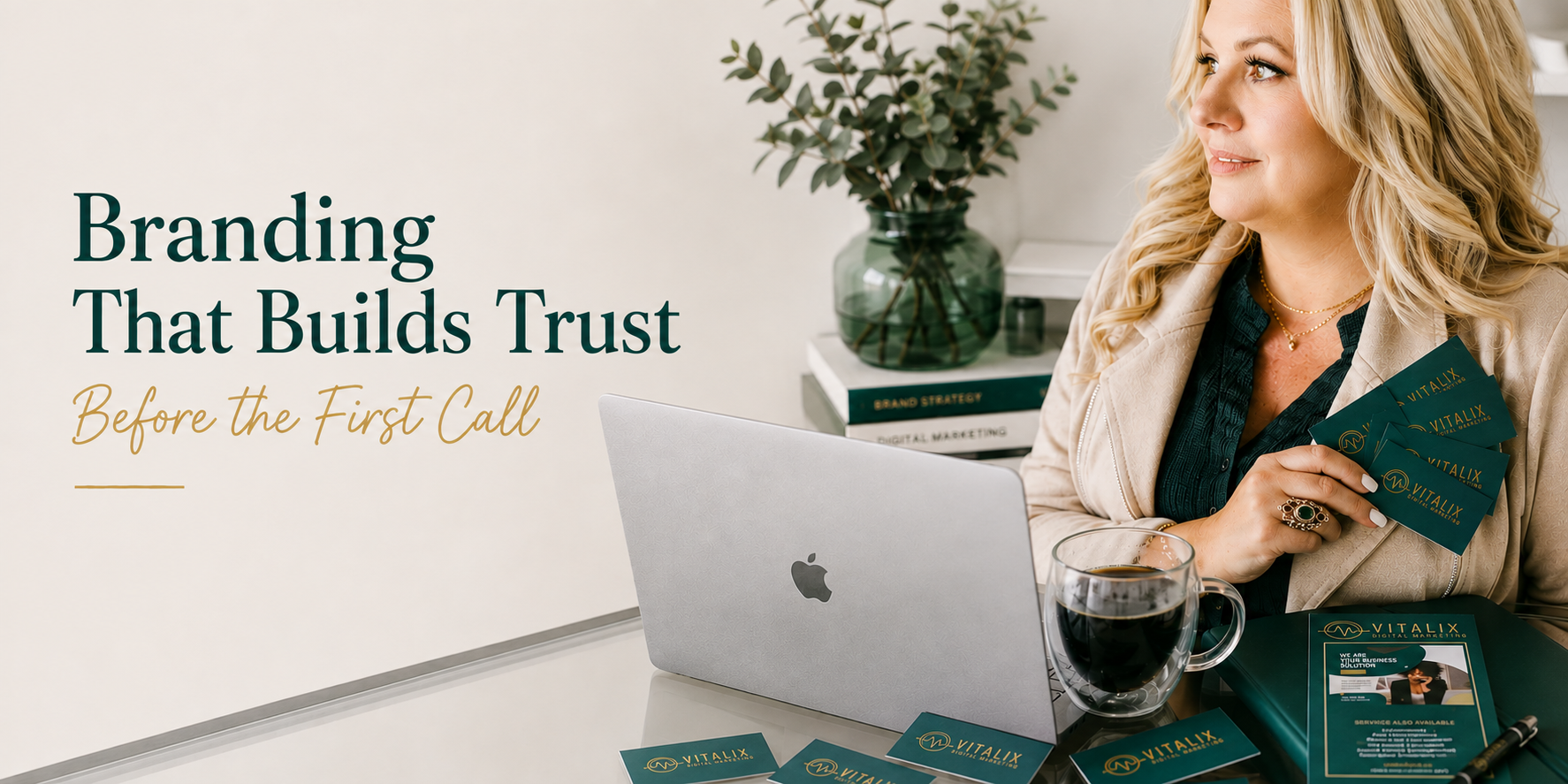
Branding That Builds Trust Before the First Call
I once had a client whose Instagram looked like a completely different business than her website. Warm and playful on one, stiff and corporate on the other. Nothing was technically wrong with either — but together, they didn't add up to one clear impression of who she actually was.
That's the thing about branding most business owners underestimate. Before a potential client ever hears your voice on a call or walks through your door, they've already formed an opinion about whether to trust you — usually within seconds, based entirely on how your business looks and sounds across every place they encounter it.
For coaches, consultants, salons, clinics — any business where the relationship is the product — that first impression carries more weight than it does almost anywhere else.
Branding Is Not a Logo
It's easy to reduce branding to a logo and a color palette. It's really closer to a promise: it signals who you help, how you work, and what it will feel like to be your client — before a single word is exchanged. A mismatch between that signal and the reality of working with you creates friction even when the actual service is excellent.
Why Inconsistency Quietly Erodes Trust
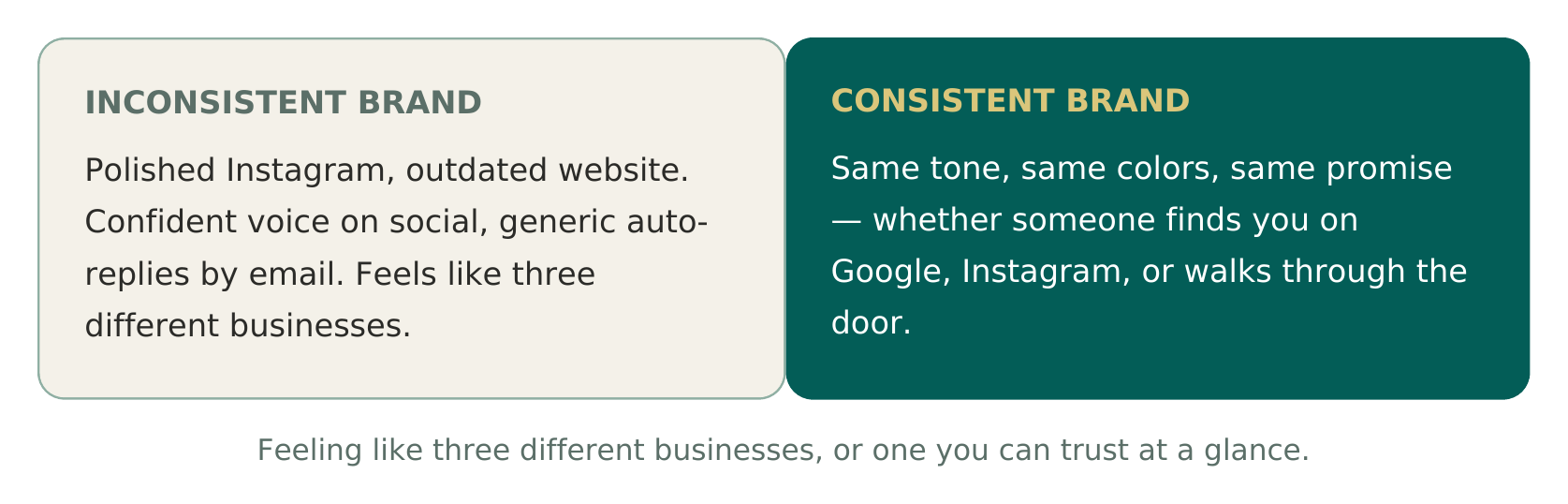
Inconsistent Brand Polished Instagram, outdated website. Confident voice on social, generic auto-replies by email. Feels like three different businesses.
Consistent Brand Same tone, same colors, same promise — whether someone finds you on Google, Instagram, or walks through the door.
Potential clients may not consciously notice the inconsistency on the left. They just feel less certain — and uncertainty is the enemy of someone actually reaching out.
Your website, social profiles, email signature, and any client-facing materials should feel like they belong to the same business.
This goes deeper than colors and fonts, too. A logo that only exists as one horizontal version breaks the moment it needs to fit a square Instagram profile photo or a tiny favicon in a browser tab — suddenly it's stretched, cropped awkwardly, or unreadable. A properly built brand actually needs a few versions: a primary logo, a stacked/square version, and a simplified icon — plus something that still reads clearly in black and white, since not every application allows for color. Small detail, but it's exactly the kind of inconsistency that quietly undermines an otherwise strong brand.
Match Your Brand to Your Actual Working Style
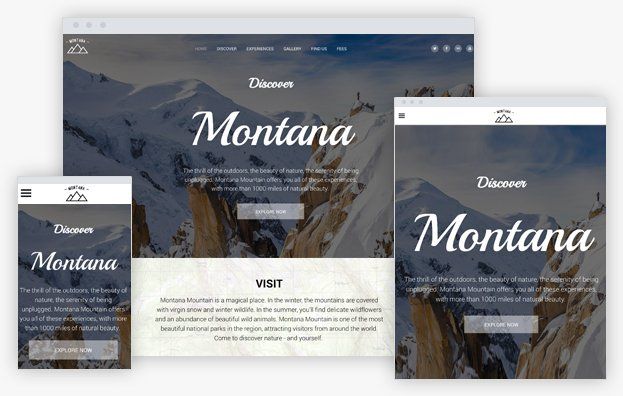
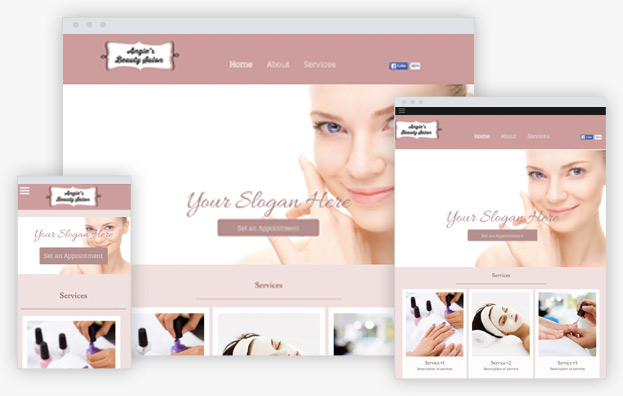
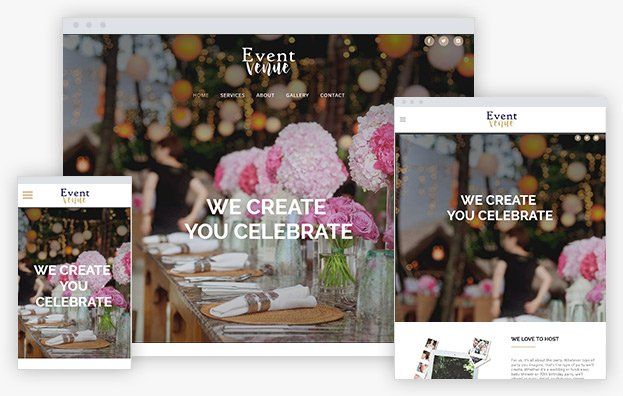
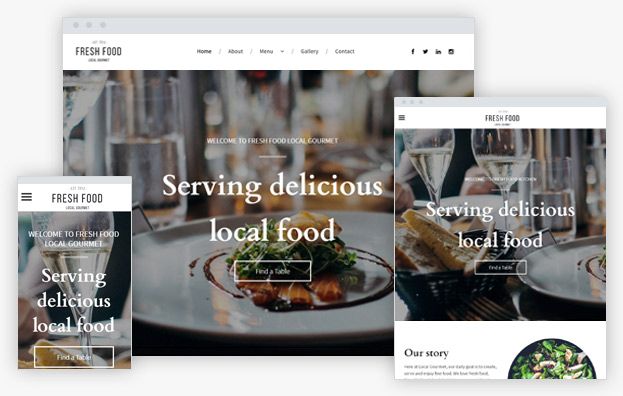
One of the most common branding mismatches is aesthetic-to-substance mismatch: a highly polished, corporate brand for a coach or clinic whose actual strength is warmth and informality, or a casual, playful brand for a practice whose clients need to feel they're in rigorous, expert hands. Neither is wrong on its own — but the brand should reflect the real experience of working with you, not an aspirational version of it.
Base your visual and verbal brand on how your best current clients would actually describe working with you.
Try This Yourself
Here's a quick exercise we actually use with clients: pick 3-5 words that describe your brand personality. Not aspirational words — honest ones.
- Corporate.
- Minimalistic.
- Friendly.
- Modern.
- Luxurious.
- Bold.
- Calm.
- Playful.
- Trustworthy.
- Professional.
- Retro.
Then answer one more question: how should someone feel the moment they see your brand — before they've read a single word?
Most business owners have never written this down. Once you have, check it against your actual website and social media. If the words you picked don't match what's actually live right now, that gap is exactly where the inconsistency is happening.
Trust Signals Beyond Design
"Most people form a first impression of whether to trust a business within seconds — long before they read a word of your services."
Visual branding is only part of the picture. Client testimonials, credentials, media mentions, and case studies all function as brand elements too — they answer the unspoken question every visitor has: "has this actually worked for someone like me?" Featuring these prominently, rather than tucking them away on a separate page, reinforces trust at the exact moment someone's deciding whether to reach out.
You Don't Need to Reinvent Yourself
Strong branding usually isn't about a dramatic reinvention. It's about clarifying and applying, consistently, what's already true about how you work.
The goal is coherence.
Someone who lands on your website, checks your Instagram, and then walks into your space or gets on a call with you should feel like they're meeting the same business each time.
FAQ
Does a small business really need professional branding? It helps significantly, since trust is central to almost every service relationship — but "professional" doesn't mean expensive or elaborate. Consistency matters more than polish.
How do I know if my branding matches my working style? Ask a few current clients how they'd describe working with you, and compare that language to how your website and social presence currently come across.
Why does branding matter for a small business more than a big one? Small businesses rarely have the brand recognition or advertising budget to be trusted automatically the way a familiar big-name company is. Consistent branding does some of that trust-building work for you, especially before someone has any other reason to believe you're credible.
What's the difference between branding and marketing? Branding is how your business looks, sounds, and feels — the promise. Marketing is everything you do to get that promise in front of the right people. Branding is one of six parts that make up a full marketing strategy.
How much does branding cost for a small business? It varies, but a focused refresh (consistent visuals, messaging, and a clear voice across your main channels) is typically far less than a full rebrand — and for most small businesses, consistency matters more than a complete overhaul.
The Takeaway
For a business built on trust, brand isn't decoration. It's the first evidence a potential client has that you're credible, consistent, and worth reaching out to.
Getting it right removes friction before the relationship even begins.
If your brand feels scattered across your website, social media, and marketing materials, that's exactly what our branding and website process is designed to bring together.
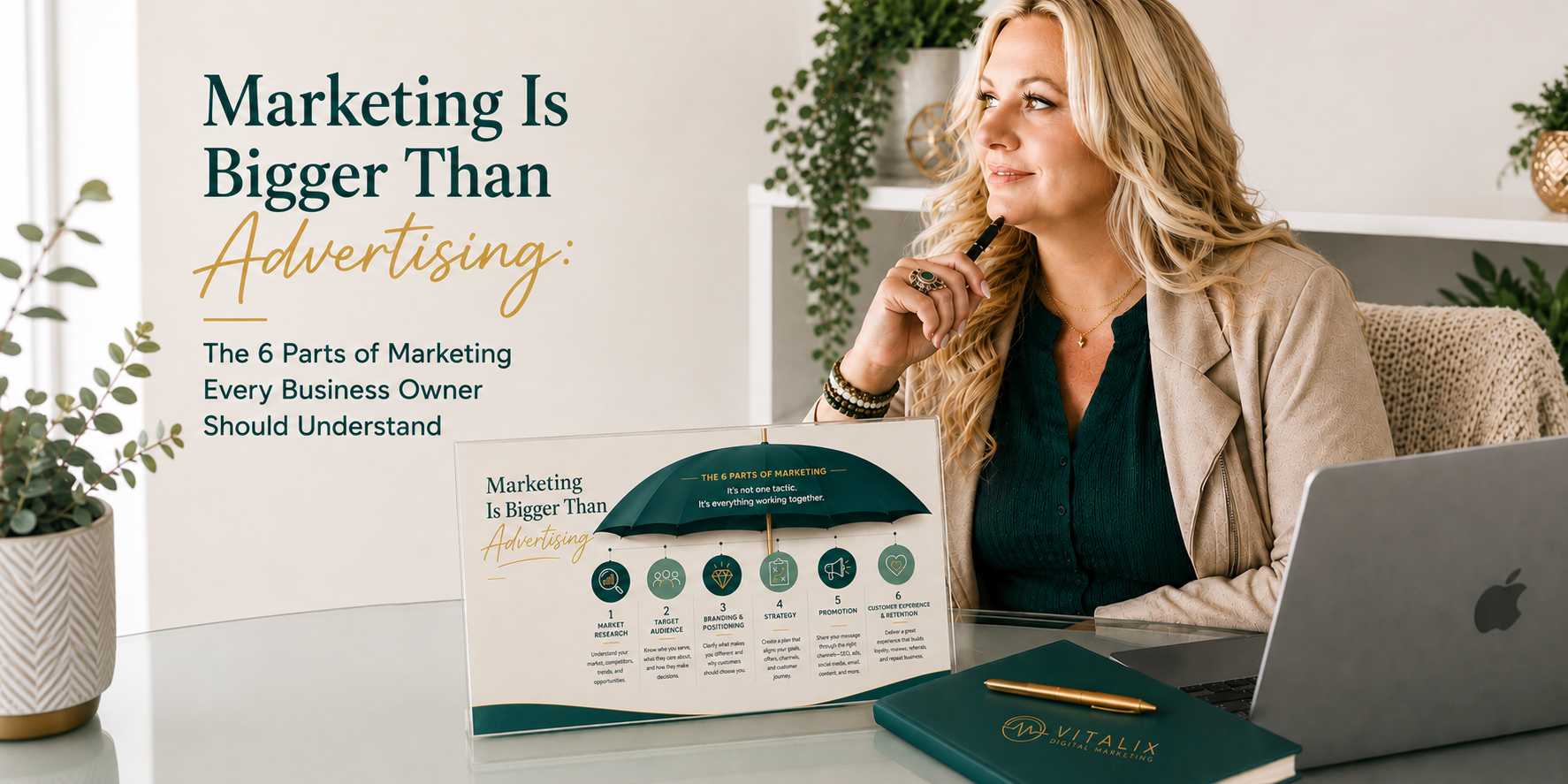
Branding is one piece of a bigger picture — see how it fits with the other five in The 6 Parts of Marketing Every Business Owner Should Understand.
































About Vitalix Digital
We help small and medium- sized businesses grow with strategic marketing, high performing websites, and lead generation systems that actually work.
Free Resources

Website Examples