Why Your Website Isn't Converting (And How to Fix It)
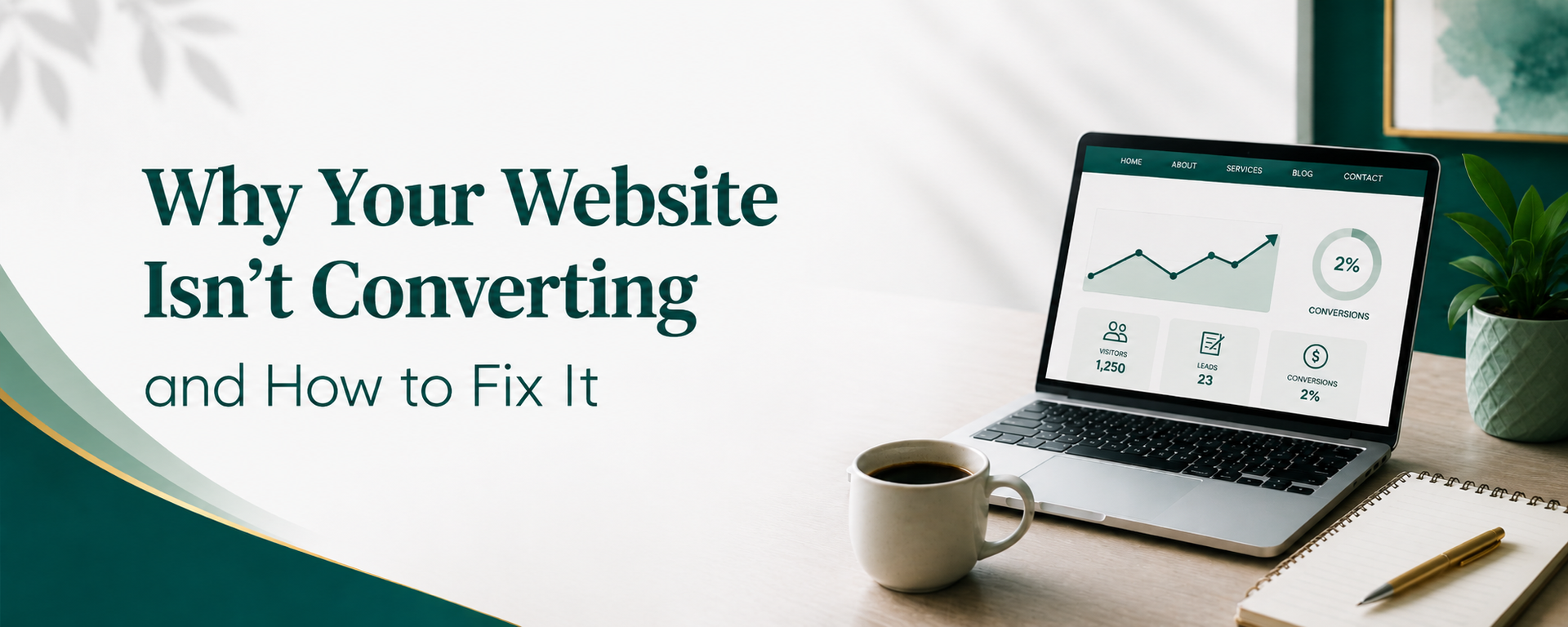
You’ve invested time and money into your website. You might even be getting traffic.
But the leads? The inquiries? The bookings? They’re inconsistent—or not happening at all.
I hear this all the time from business owners. A client once told me, “We’re getting visitors every week, but no one is reaching out. We don’t know what we’re doing wrong.”
When we looked at their website, the issue wasn’t traffic. It was clarity, structure, and how the site guided visitors.
This is more common than you think. Your website isn’t broken—it’s just not built to convert yet.
What Does “Converting” Actually Mean?
A conversion happens when someone takes a meaningful action on your website. This could be:




Conversions are what turn your website into a business tool—not just an online presence.
A smaller number of the right visitors who take action is far more valuable than a large number who leave without doing anything.
The Most Common Reasons Your Website Isn’t Converting
If your website isn’t generating leads or sales, it usually comes down to a few key issues.
1. Your Message Isn’t Clear
When someone lands on your website, they should immediately understand what you do, who you help, and how you can help them.
If they have to search for that information, they will leave.

Too Vague
“Empowering your journey to better health.”
It sounds nice—but it’s vague.

Clear and Specific
“Helping busy professionals reduce stress and improve energy through personalized wellness plans.”
One is general. The other is clear and specific. Clarity builds trust quickly. Without it, people move on.
2. You’re Talking About Yourself Instead of Your Client
Many websites focus heavily on the business: “We offer…” “We provide…”
But your potential client is asking: “How does this help me?”
A simple shift in language can make a big difference.
About You
“We offer customized marketing strategies”
About Your Client
“Struggling to get consistent leads? We help you build a marketing strategy that helps bring in clients.”
Same service—completely different impact.
3. There’s No Clear Next Step
If your website doesn’t guide visitors toward a specific action, they are unlikely to take one. Clarity reduces hesitation.
Complex & Indirect
“Learn More”
“Explore Services”
“Read More”
Simple & Direct
“Book a Consultation”
“Get Started”
4. There’s No Trust Established
Before someone reaches out, they need to feel confident in your business. Think about your own behavior.
If you’re choosing between two businesses—one with reviews and real client results, and one without—which one are you more likely to trust?
Most people won’t take the risk without some form of reassurance. Even one or two testimonials can make a noticeable difference.
5. You're Attracting the Wrong Audience
Not all traffic is valuable.
If your messaging and content aren’t aligned with your ideal client, you may be bringing in visitors who were never going to convert in the first place.
Clarity around your audience is essential for both marketing and website performance.
Writing for Your Audience While Still Being Found Online
One of the most overlooked factors in website performance is how the content is written.
Some businesses focus heavily on SEO and end up with content that feels unnatural. Others write purely for their audience but struggle to be found online. The most effective websites do both.
Start by writing for your audience. Your content should sound natural, clear, and relevant to the people you want to reach. It should reflect how they think, what they are struggling with, and what they are looking for. If someone sat across from you and said: “I’m not getting leads from my website,” You wouldn’t respond with keyword-heavy, overly formal language. You’d explain it clearly, simply, and directly. That’s how your website should read.
Once that foundation is in place, you can optimize for search. Search engines like Google are designed to understand helpful, well-structured content. This means:
Using keywords naturally within your content
Organizing information with clear headings
Answering common questions directly

Keeping your writing clear and easy to read
This approach also supports how content is surfaced through AI-driven search and summaries. Clear, well-structured writing is more likely to be recognized, referenced, and trusted. The goal is not to write for algorithms. It’s to make your content easy to understand—for both people and the systems that help them find it.
How to Improve Your Website’s Conversions
Improving your website doesn’t require a complete rebuild. In many cases, small, strategic changes can make a significant difference.
- Start by clarifying your offer. Make sure it is immediately clear what you do, who it’s for, and what outcome someone can expect.
- Simplify your pages. Remove unnecessary content that distracts from your main message or call-to-action.
- Strengthen your calls-to-action. Make them visible, consistent, and easy to follow.
- Add trust-building elements. Testimonials, case studies, and real results help reduce hesitation.
Finally, ensure your website performs well technically. Mobile optimization and fast load times matter for both user experience and visibility in search results.
A Practical Perspective on Traffic vs. Conversion
It’s easy to focus on increasing traffic. It feels like progress. But if your website isn’t converting, more traffic simply means more missed opportunities.
Focusing on conversion first creates a stronger foundation. Once your website is effectively turning visitors into leads or clients, additional traffic becomes far more valuable.
Most websites don’t fail because the business isn’t good. They struggle because the message isn’t clear, the structure isn’t guiding the user, or the trust hasn’t been built yet.
These are all things that can be improved.
And often, it doesn’t take a complete overhaul—just a more strategic approach.
Ready to Improve Your Website?
If your website isn’t generating the results you expected, it may be time to look at it from a different perspective.
At Vitalix Digital Marketing, we focus on creating websites and marketing strategies that are designed to convert—not just attract attention.
If you’re ready to improve how your website performs, the next step is to start with a clear, focused strategy.
About Vitalix Digital
We help small and medium- sized businesses grow with strategic marketing, high performing websites, and lead generation systems that actually work.
Free Resources

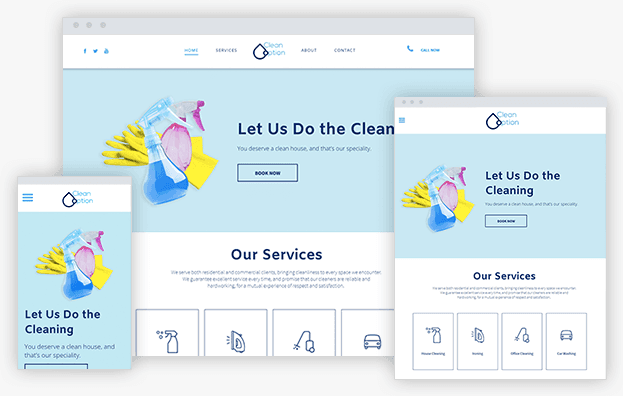
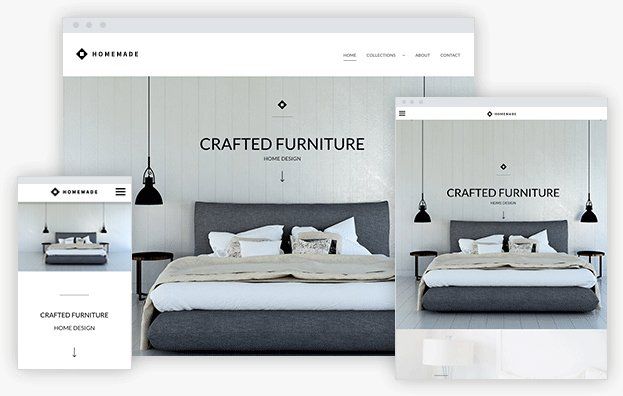
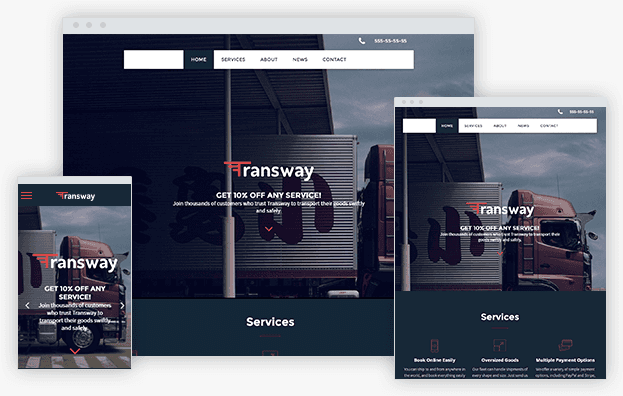
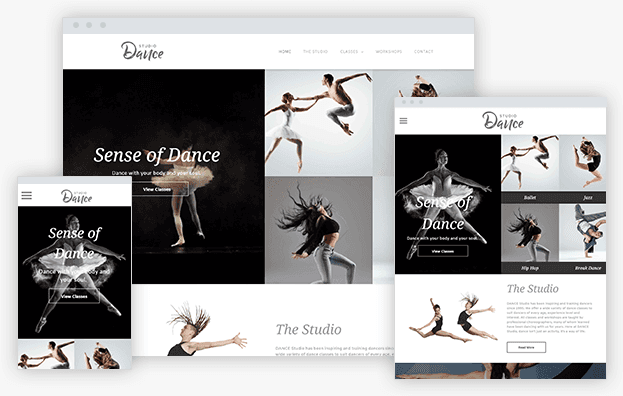
Website Examples
Latest from the Blog