Calendar Event Wins for Wellness Businesses
Leveraging Special Events to Engage and Grow Your Brand
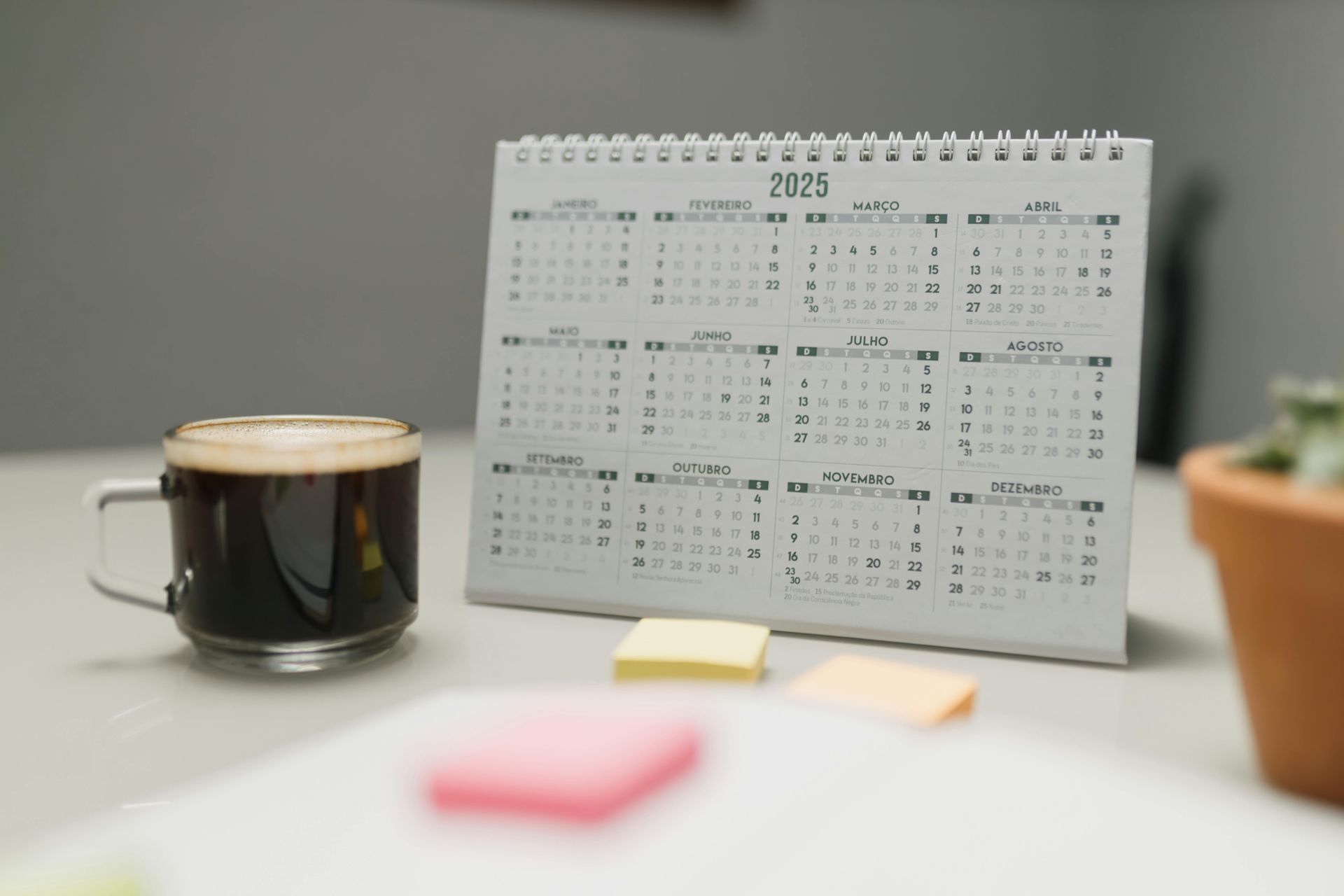
Let’s be honest—running a wellness business is about more than just offering great services or products. It’s about timing, connection, and meeting people where they are on their wellness journey. That’s where special events and health-focused holidays come in. These aren’t just dates on a calendar—they’re opportunities to align your business with what your audience cares about most.
Think about it: when people are already reflecting on their health and well-being, whether it’s New Year’s Day or World Mental Health Day, your business can step in with solutions that feel timely and relevant. You’re not just selling; you’re becoming part of their story, their goals, and their transformation.
In this guide, we’ll dive into the key events you should focus on, how to build campaigns that resonate, and real-life examples to inspire you.
Why Special Events Matter for Wellness Brands
Special events and holidays are like a fast pass to engagement. They provide a natural context for your marketing and help your audience feel seen and understood. Here’s why they’re so impactful:
- Boost Awareness: Events like World Heart Day or National Nutrition Month put specific health topics in the spotlight. By aligning your business with these moments, you’re joining a conversation people are already invested in.
- Drive Engagement: Social media comes alive during these events with hashtags and trends like #SelfCareSunday or #HeartHealth. These trends make it easier to reach new audiences who share your values.
- Encourage Action: Whether it’s the fitness hype of January or the mindfulness focus of October, people are naturally motivated during these times to make changes. This is your chance to offer them the tools they need to succeed.
The Data Speaks
- According to a study in JMIR Public Health and Surveillance, health-focused events like the Great American Smokeout lead to spikes in online searches and public engagement related to quitting smoking.
- The global wellness economy is valued at $6.3 trillion, a reflection of how health and well-being have become central to consumer priorities (Global Wellness Institute).
Key Events and Strategies for Wellness Businesses
Let’s break down how wellness businesses across various niches can leverage these moments to grow their brand and engage meaningfully with their audience.
1. Fitness and Personal Training
Best Events:
- New Year’s Day (January 1): The ultimate time for fitness resolutions.
- National Physical Fitness and Sports Month (May): A month-long celebration of active living.
Ideas to Try:
- 30-Day Challenges: Offer a “New Year, New You” program with daily workouts or tips. Incentivize participation with prizes or discounts.
- Virtual Workouts: Host live fitness classes featuring guest trainers or influencers.
- Educational Content: Share expert advice on maintaining fitness goals through blogs, email newsletters, or Instagram stories.
2. Mental Health and Counseling
Best Events:
- Mental Health Awareness Month (May): Focused on reducing stigma and promoting well-being.
- World Mental Health Day (October 10): A global opportunity to spotlight mental health.
Ideas to Try:
- Free Meditation Sessions: Offer guided meditations or mindfulness workshops.
- Storytelling Campaigns: Share stories from clients or your team about the importance of mental health.
- Collaborations: Partner with mental health influencers to amplify your reach.
3. Nutrition and Meal Planning
Best Events:
- National Nutrition Month (March): All about educating people on healthy eating.
- World Vegan Day (November 1): Celebrate plant-based lifestyles and sustainability.
Ideas to Try:
- Live Cooking Demos: Showcase simple, healthy recipes that align with your services.
- Special Discounts: Offer promotions on meal plans or subscriptions during March.
- Downloadable Resources: Create a free guide, like “10 Easy Plant-Based Recipes,” to drive email sign-ups.
4. Wellness Retreats
Best Events:
- Global Wellness Day (Second Saturday in June): Encourages holistic health and self-care.
- Seasonal Transitions (Spring/Fall): Perfect for detox retreats or mindfulness weekends.
Ideas to Try:
- Mini-Retreat Packages: Promote weekend getaways with yoga, meditation, and nutrition workshops.
- Local Partnerships: Collaborate with nearby businesses for a community-driven event.
- Testimonial Campaigns: Share video testimonials from past retreat attendees to build trust.
How to Build Campaigns That Work
1. Plan Ahead
A solid campaign needs lead time. Use a marketing calendar to map out key dates and start promoting your initiatives early. For example, begin teasing your National Nutrition Month specials in February to build anticipation.
2. Go All-In on Social Media
During health-focused events, social media becomes a goldmine for engagement. Use trending hashtags, run polls, and share stories that align with the event’s theme.
Pro Tip: Create branded hashtags like #GlowWithUs to encourage user-generated content.
3. Collaborate with Influencers
Find wellness influencers who align with your brand values and have an engaged audience. A partnership can amplify your message and attract new customers.
4. Measure Your Success
Track metrics like website traffic, social engagement, and conversions to see what’s working. Use tools like Google Analytics or Hootsuite to monitor performance.
Case Study: Aditya Birla Health Insurance’s #LaughForAHealthyHeart Campaign
On World Heart Day, Aditya Birla Health Insurance launched the #LaughForAHealthyHeart campaign to promote heart health through laughter. The campaign featured:
- Engaging Content: Videos of comedians highlighting the benefits of laughter for heart health.
- Interactive Sessions: Laughter yoga workshops led by Dr. Madan Kataria.
- Results:
- Reached over 1.7 million viewers on social media.
- Generated 1.9 million impressions, significantly boosting brand visibility.
This campaign shows how aligning your message with a health-focused holiday can drive engagement while delivering meaningful content (Social Samosa).
Making Every Moment Count
Special events and health observances aren’t just about selling—they’re about connecting. They give you the chance to inspire, educate, and build trust with your audience. The key is to show up authentically, offer value, and create campaigns that resonate.
Are you ready to make the most of these opportunities?
Let’s create campaigns that matter.
Talk to Vitalix Digital Marketing Today!
Welcome to Your 2025 Social Media Calendar
Ready to make 2025 your most engaging and impactful year yet?
This calendar is your go-to resource for aligning your wellness business with key health-focused events and seasonal trends.
Inside, you’ll find:
- Important Dates: From global health holidays to seasonal themes, we’ve highlighted the moments that matter most to your audience.
- Content Prompts: Need inspiration? Each event comes with actionable ideas to help you create posts that inspire, educate, and connect.
- Customizable Sections: This isn’t just a static resource—it’s your planning companion. Use the space provided to jot down your ideas, schedule campaigns, and track progress.
Whether you’re a yoga studio, a mental health platform, or a nutrition brand, this calendar is designed to help you stay consistent, connect with your audience, and grow your business.
Pro Tip: Use this calendar alongside your favorite scheduling tool (like Hootsuite or Buffer) to streamline your social media strategy.
Let’s make 2025 the year your wellness brand shines!