

How to Make Customers Fall in Love With Your Business
Monica Habersack • September 3, 2026

I've never had a client leave me because I made a mistake. I've had clients leave because of how a mistake got handled.


That's the thing nobody tells you about loyalty — it's almost never about being perfect. It's built (or quietly destroyed) in a dozen small moments that have nothing to do with your actual product or service. Here are the ones that matter most.


1. Responsiveness

Nothing erodes trust faster than silence. A client emails with a question and hears nothing for four days — even if the eventual answer is great, the wait already told them something about how much they matter.


You don't need to be instantly available. You need to be predictably available. "We respond within 24 hours" and actually doing it builds more loyalty than sometimes replying in ten minutes and sometimes disappearing for a week.
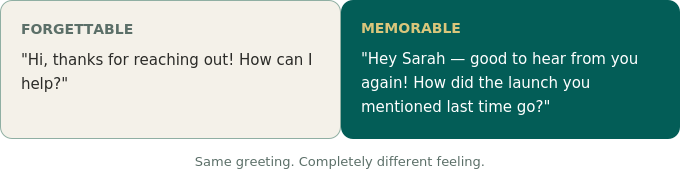


Forgettable "Hi, thanks for reaching out! How can I help?"

Memorable "Hey Sarah — good to hear from you again! How did the launch you mentioned last time go?"


Same greeting, completely different feeling. Remembering a detail — a name, a past project, a small thing someone mentioned — signals that a customer isn't just a transaction to you. Most businesses don't do this because it takes intention, not because it's hard.


3. Personalization

Generic service feels fine. Personalized service feels chosen. This doesn't have to mean elaborate customization — it can be as simple as referencing a client's specific goals in a follow-up, or tailoring a recommendation to what you actually know about them instead of giving the default pitch.

Customers can tell the difference between "here's what we tell everyone" and "here's what makes sense for you," and they remember which one they got.


4. Consistency

"Customers don't just want a good experience once — they want to know they'll get it again."


A great first visit followed by an inconsistent second one does more damage to loyalty than a business that's reliably just okay every time. Consistency is what turns a good first impression into a habit.


5. Fixing Mistakes

This is the one that actually determines whether a hiccup becomes a lost customer or a loyal one. Nobody expects perfection. What they remember is whether you owned it, fixed it without a fight, and — ideally — made it right without being asked twice.


A mistake handled well can build more trust than if nothing had gone wrong at all, because now the customer has actually seen how you behave under pressure.


6. Follow-Up

Most businesses are great at the sale and forgettable after it. A short check-in after a service is delivered — "how did everything go?" — costs almost nothing and tells a customer their experience mattered beyond the transaction.


This is also, not coincidentally, one of the easiest places to catch a small problem before it becomes a lost customer or a bad review.


7. Appreciation

A genuine thank-you — not an automated "we appreciate your business!" footer, but something that feels like it was actually written for them — goes further than most businesses assume. Loyalty programs and discounts have their place, but a specific, sincere acknowledgment often lands harder than a coupon.


8. Ease of Doing Business

Every extra step between a customer wanting to work with you and actually being able to — a confusing booking process, an unclear invoice, a form that asks for information twice — chips away at goodwill, even when your actual service is excellent.


Loyalty isn't just about how customers feel about your work. It's also about how much friction they had to push through to get it.


9. Employee Experience

Customers can feel it when the person serving them is stretched thin, undertrained, or unhappy — even if no one says anything out loud. Businesses that invest in how their team is treated tend to see that show up, almost directly, in how customers are treated. This one's easy to overlook because it's indirect, but it's rarely invisible to the customer.


A Couple Questions I Get a Lot


"Which of these matters most if I can only focus on one?"

If I had to pick, it's how mistakes get handled. Everything else builds loyalty steadily over time — this one determines whether you keep a customer at all after something goes wrong.


"Isn't this all just common sense?"

It is — and that's exactly why it's so often skipped. None of these require a budget or a new tool. They require remembering to do them consistently, which is a lot harder than it sounds once you're busy running the business.


It's Never One Big Thing

Customer loyalty rarely comes down to one dramatic gesture. It's built — or lost — in the small, repeatable moments: how fast you reply, whether you remembered their name, how a mistake got handled. None of it is complicated. Most of it just requires being intentional instead of automatic.


The Part That's Hard to Do Manually

Here's what I've noticed working with business owners on this stuff: almost everyone agrees with all nine of these. Almost no one does all nine consistently. Not because they don't care, but because remembering every follow-up, every past conversation, every "I said I'd check back in two weeks" is a lot to hold in your head while you're also running the business.
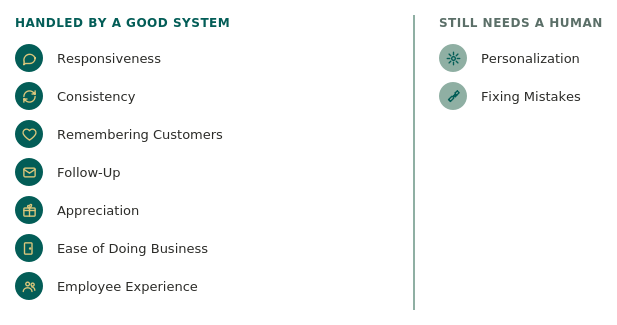
This is where a good system quietly does the heavy lifting — and it reaches further into this list than you'd think:

  • Responsiveness, consistency, remembering customers, and follow-up get dramatically easier when a CRM is tracking every conversation and prompting the next one, instead of relying on memory and good intentions on a busy day.


  • Appreciation doesn't have to depend on catching every birthday or milestone yourself — an automated but well-written touchpoint ("happy work anniversary with us!") still lands as thoughtful, and it never gets missed because the week got busy.


  • Ease of doing business is often a systems problem before it's a people problem. Online ordering, a client portal, or a subscription option removes friction that no amount of friendliness at the front desk can fully make up for.


  • Employee experience improves in a quieter way: when your team isn't juggling five disconnected tools to serve one customer — logging in one place, doing the work, done — they have more capacity left over for the moments that actually need a human touch.


That leaves personalization and fixing mistakes as the two that genuinely can't be automated — they need real judgment, in the moment. Which is exactly the point: a good system isn't there to replace the personal moments. It's there to clear everything off your plate that doesn't need to be personal, so you have the time and headspace left for the two things that do.


If you're not sure how your business is actually showing up in these moments — or whether anything's falling through the cracks between a lead coming in and a client feeling remembered — that's exactly the kind of thing our Free Digital Health Check can help uncover.




Book Your Free Discovery Session

Business consultant reviewing customer journey, operations and growth plans with a small business
By Monica Habersack • September 15, 2026
Before spending more on marketing, find out whether leads, follow-up, messaging, systems, customer experience, or your digital presence need attention first.
By Monica Habersack • September 10, 2026
A 40-year-old customer today isn't the same consumer a 40-year-old was in 2000. Why understanding how customers have changed matters more than adopting new technology.
By Monica Habersack • September 3, 2026
I make my clients do something uncomfortable at least once a year: pretend to be their own customer, start to finish. Google your business like a stranger would. Call your own number. Fill out your own contact form. Try to book yourself an appointment. Almost every time, they find at least one thing that's quietly been getting in a customer's way — something they'd never have noticed from the inside. You don't need an outside audit to catch most of this. You just need to walk your own journey, honestly, the way a first-time customer would. Here's the checklist I use. 1. Your Google Listing Search your business the way a stranger would — not by your business name, but by what you actually do ("massage therapist near me," "roofing contractor in [your city]"). Is your listing accurate? Current hours? Recent reviews? A profile photo that isn't five years old?  This is often the very first impression a customer has of you, before your website even loads. 2. Your Website Load it on your phone, on regular data, not office wifi. Does it load quickly? Is it obvious within a few seconds what you do and who you help? Can you find a phone number or booking link without hunting? 3. Your Phone Call your own business number. What happens? Does it ring through to a real person, a clear voicemail, or dead air? If someone else usually answers, when's the last time you actually listened to how that call goes? 4. Your Contact Form Fill it out yourself, right now. Is it short enough that a busy person would actually finish it? Do you get any confirmation that it went through, or does it feel like typing into a void? 5. Your Booking Process



By Monica Habersack • September 3, 2026
Most leads are lost after the form submit, not before. Here's what should happen next — and how coaches and consultants can fix the gap.
By Monica Habersack • September 3, 2026
Better systems don't just help your team stay organized — they quietly shape how every customer experiences your business.
Coach writing emails designed to nurture leads naturally without sounding like a sales pitch
By Monica Habersack • September 3, 2026
How coaches, consultants, and professional service businesses can build email sequences that nurture leads into clients — without sounding like a pitch.
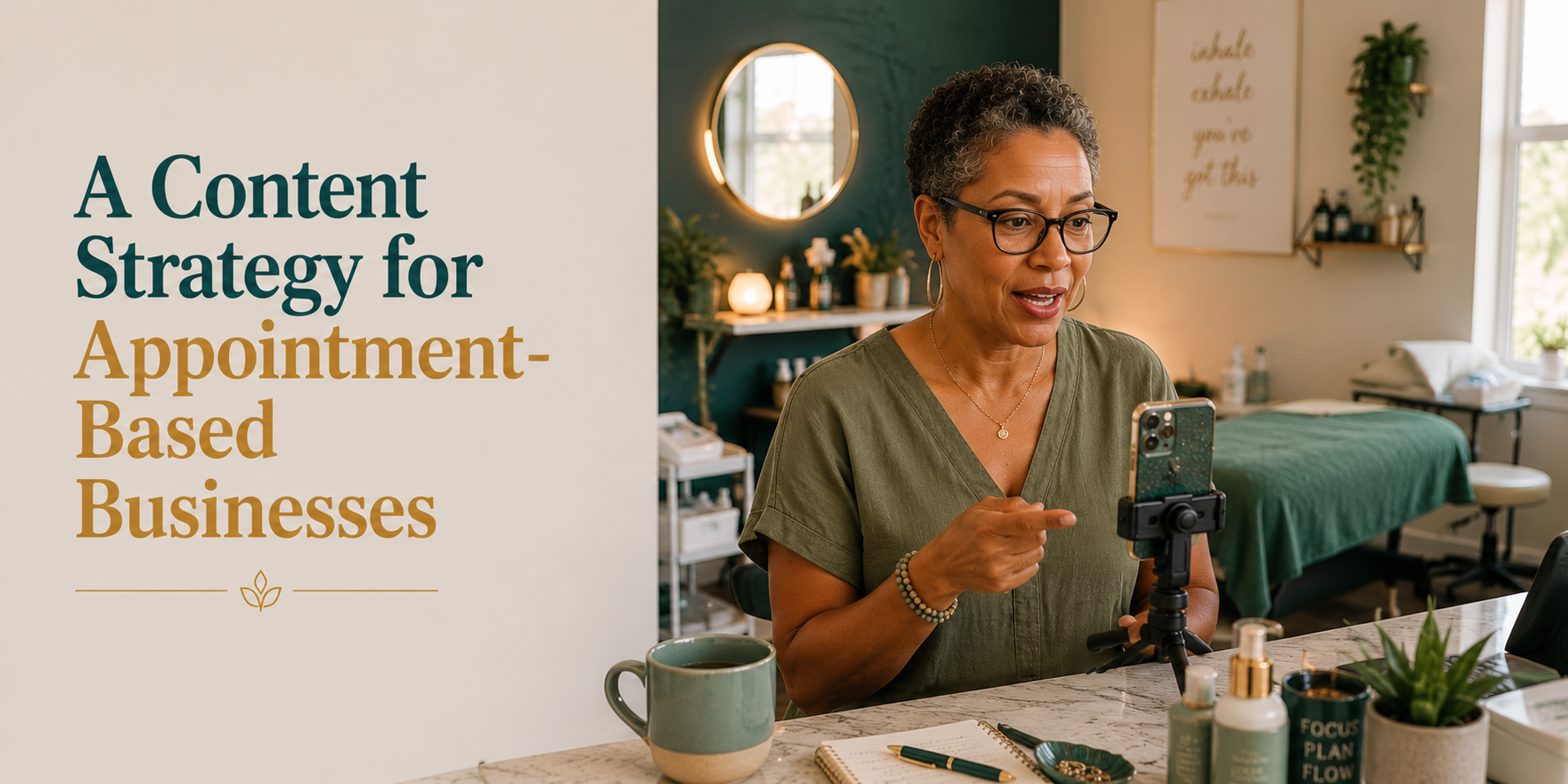
Business owner filming social media content on her phone between appointments in a modern wellness s
By Monica Habersack • September 3, 2026
Learn why consistent content beats viral moments for salons, clinics, and other appointment-based businesses building trust and filling the calendar.
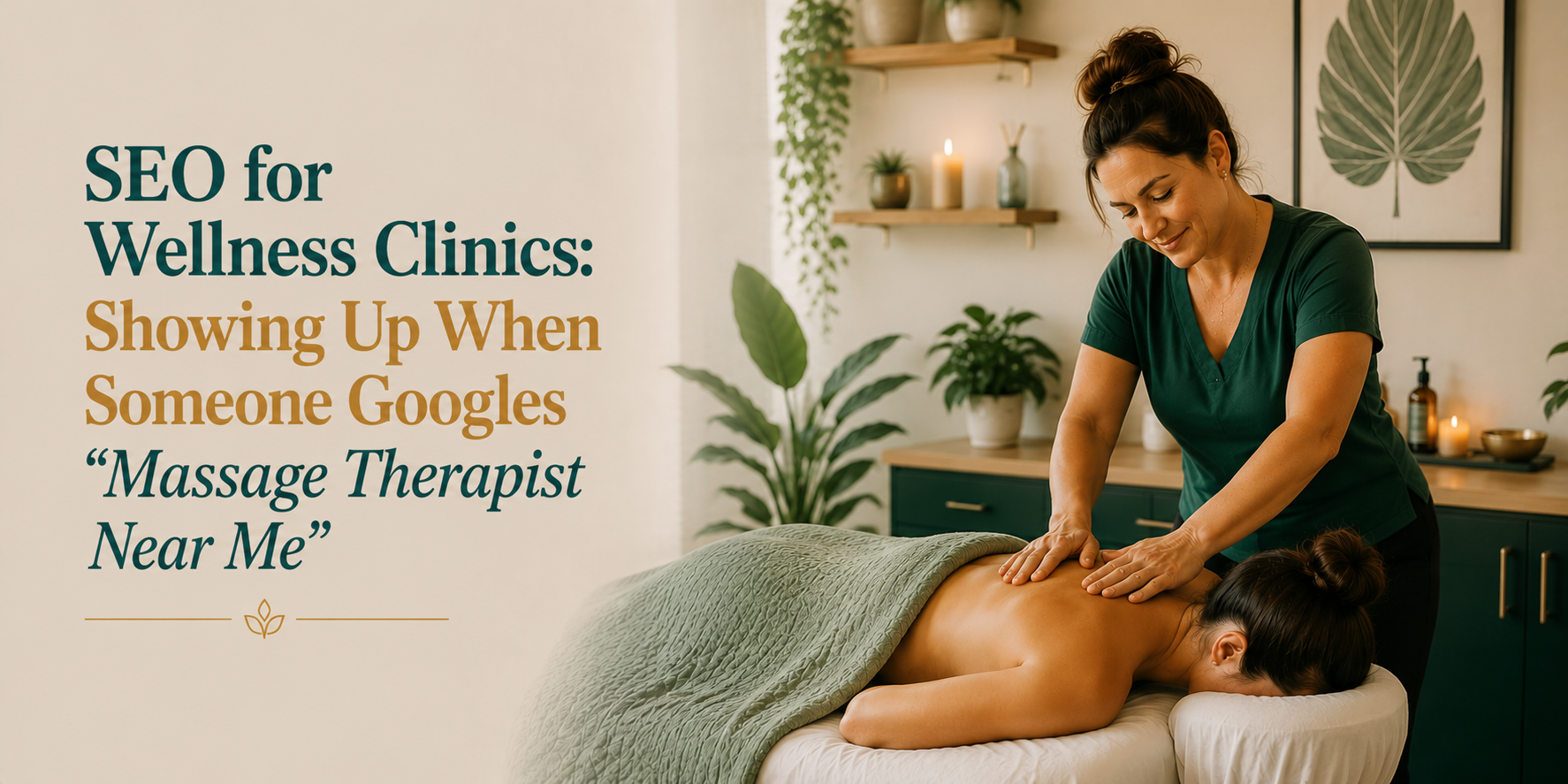
Massage therapist treating a client in a calm wellness clinic, highlighting local SEO for massage se
By Monica Habersack • September 3, 2026
A practical guide to SEO for wellness clinics and appointment-based practices — how to show up in local search when potential clients go looking for help.
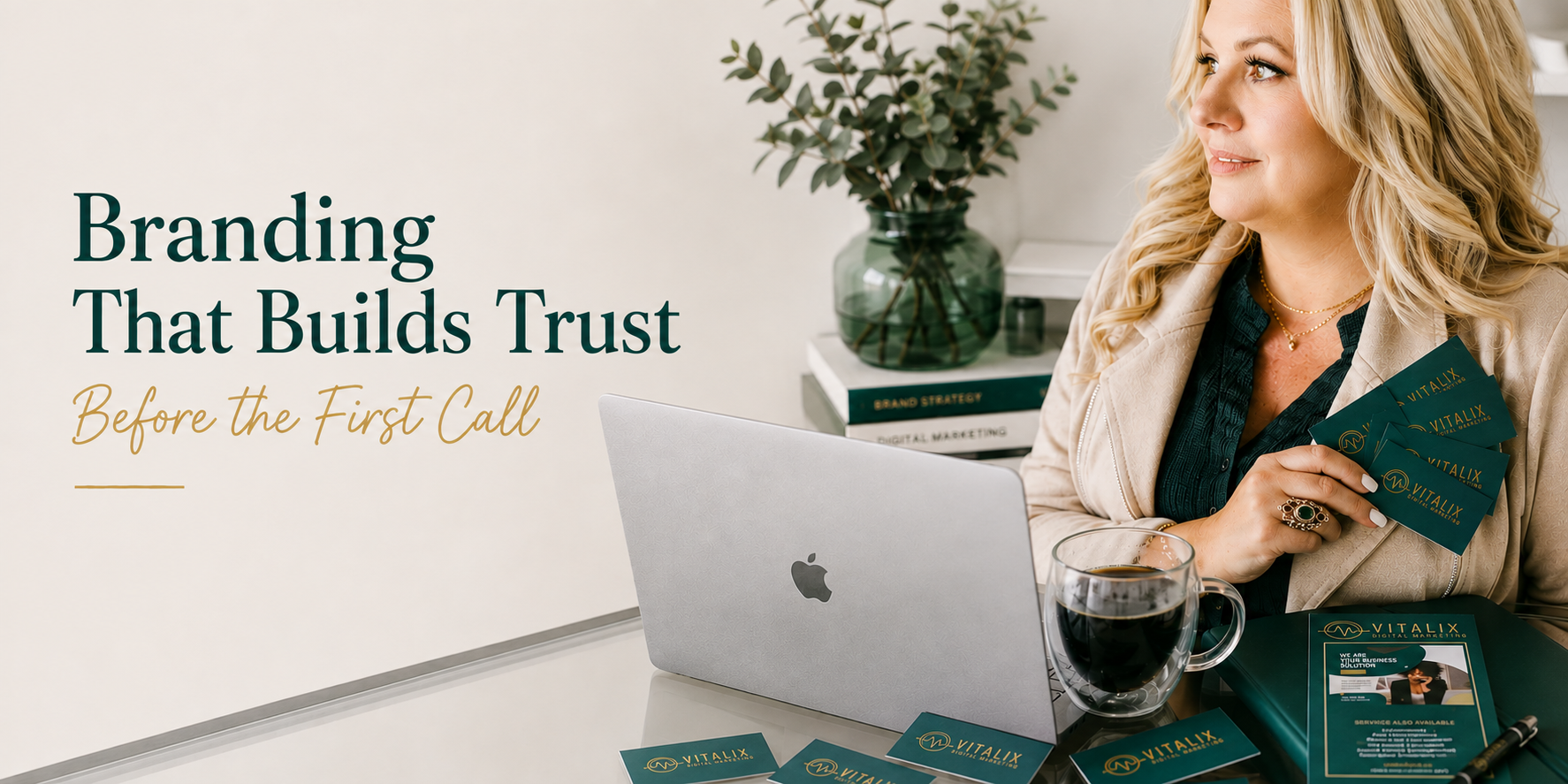
Vitalix branding materials and business owner illustrate consistent branding materials
By Monica Habersack • September 3, 2026
Why consistent, authentic branding helps coaches, consultants, and appointment-based businesses build trust before someone ever reaches out.
Business owner reviewing the six parts of marketing, from research and branding to customer
By Monica Habersack • August 28, 2026
Marketing is bigger than advertising. Here are the six parts every business owner should understand — and why promotion works better when the rest come first.
Business coach working on a laptop in a modern office with the headline
By Monica Habersack • August 26, 2026
Discover the top website mistakes stopping coaches and consultants from converting visitors into clients — and how to fix them.
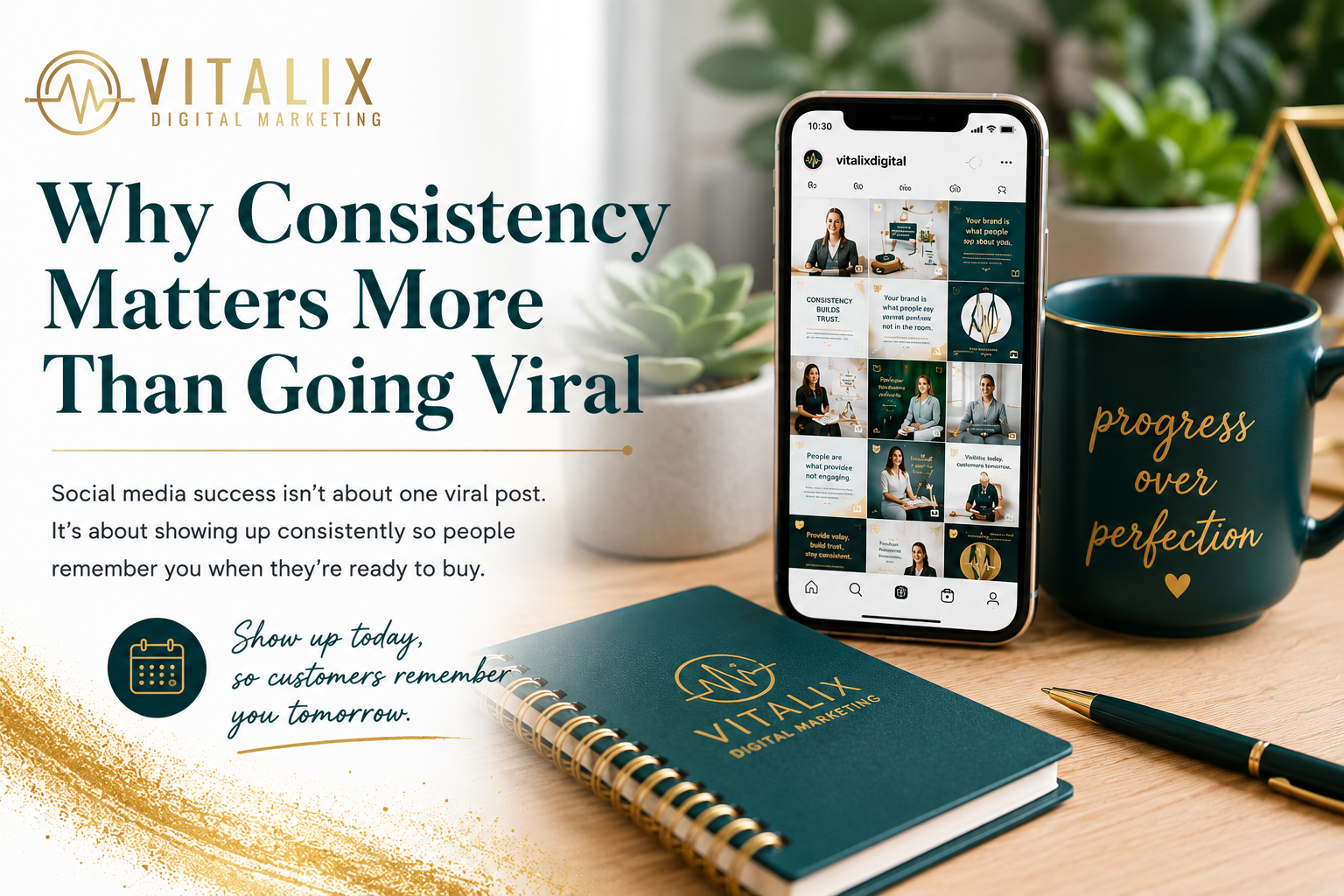
Social media strategy graphic showing consistent posting, branding, reels, engagement, and business
By Monica Habersack • May 20, 2026
Learn why consistency matters more than virality on social media and how businesses can build trust, visibility, and long-term growth online.
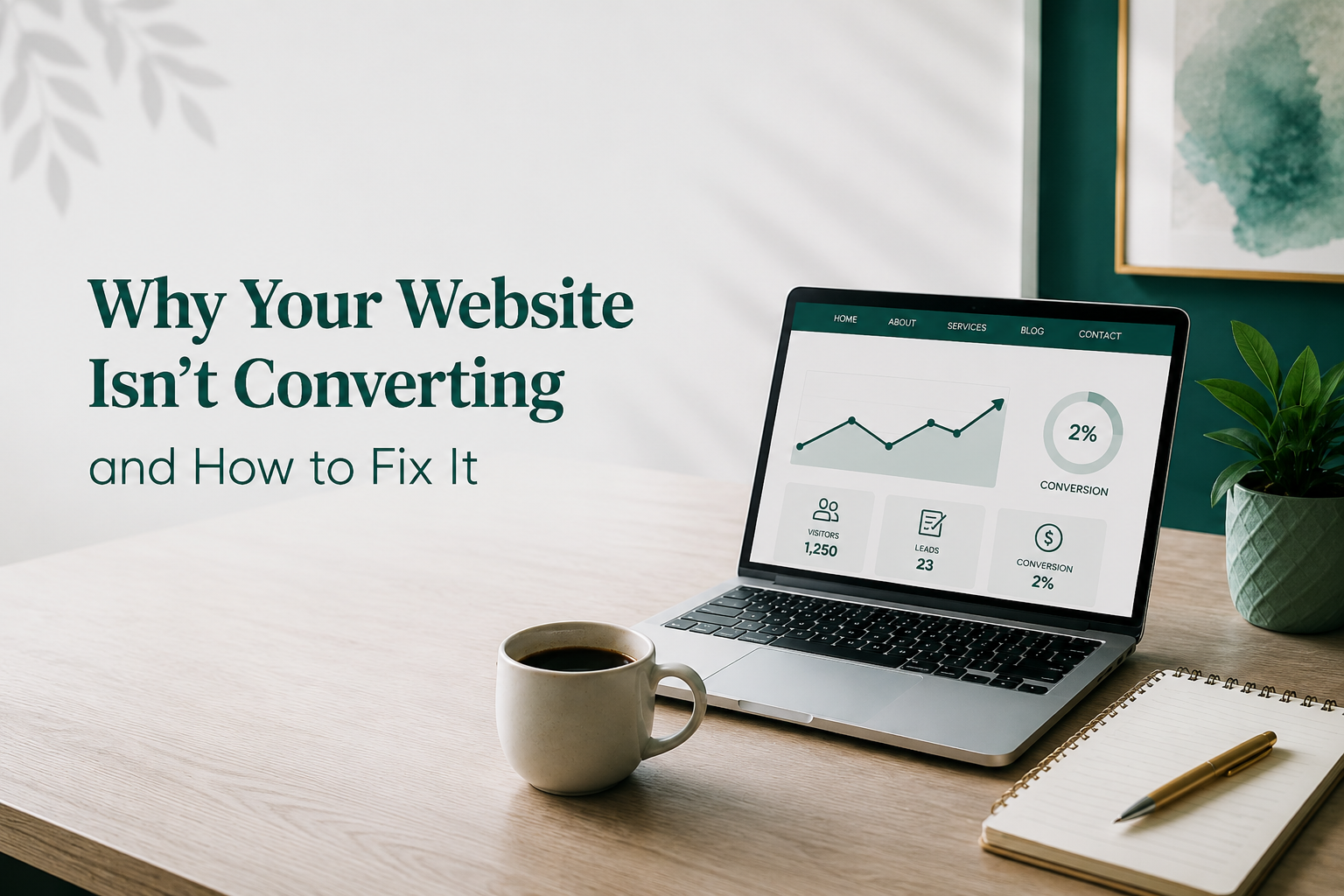
Why Your Website Isn't Converting and How to Fi It
By Monica Habersack • May 6, 2026
Why Your Website Isn’t Converting? Learn the most common website mistakes businesses make— and how to improve conversions, build trust, and turn visitors into leads.
By Monica Habersack • February 10, 2025
Discover why personalization is the key to success in wellness marketing. Learn how tailored strategies can boost engagement, build loyalty, and drive conversions for modern wellness brands. Explore real-life examples and actionable tips to get started!
By Monica Habersack • February 3, 2025
Learn how wellness businesses can leverage health-focused events and holidays to connect with audiences, inspire action, and grow their brands. Explore strategies, key dates, and real-life examples for impactful campaigns.
By Monica Habersack • January 29, 2025
A Strategy Session Just for Wellness Entrepreneurs
By Monica Habersack • January 20, 2025
Discover how to craft impactful campaigns for Heart Health Month that inspire, educate, and connect with your audience. From storytelling to actionable strategies, learn how to make a real difference while growing your brand.
By Monica Habersack • January 20, 2025
Effective Blogging Strategies for Health and Wellness Brands
By Monica Habersack • January 20, 2025
Boost Your Brand’s Reach and Revenue with Proven Tactics Tailored for the Year Ahead
By Monica Habersack • January 18, 2025
Discover strategies to build a trusted, authentic wellness brand.
By Monica Habersack • December 2, 2024
Discover proven lead generation strategies for small businesses to drive consistent growth. Learn how to attract, nurture, and convert leads effectively with practical tips and tools.
By Monica Habersack • November 29, 2024
Learn how to set an effective marketing budget for your small business. Discover practical tips on allocating funds, maximizing ROI, and balancing DIY and professional marketing strategies. Explore proven methods to create a budget that supports business growth, customer retention, and successful digital marketing campaigns.
By Monica Habersack • November 29, 2024
Learn how to create and use a social media calendar to boost engagement, save time, and grow your business. Discover essential tips, tools, and strategies for planning content, scheduling posts, and optimizing your social media presence with SEO-friendly techniques.
By Monica Habersack • November 28, 2024
Boost your website traffic with proven strategies! Explore SEO, content marketing, social media, email campaigns, and paid ads to attract and retain visitors. Discover how to optimize your website for search engines, create engaging content, and drive meaningful results with our expert tips and tools.
By Monica Habersack • November 27, 2024
Discover the key differences between organic and direct website traffic, their benefits, and how they impact your business growth. Learn SEO strategies to boost organic traffic and build brand loyalty with direct traffic. Find out which source is better for your goals and how to track and optimize both for maximum results. Unlock insights to improve your website’s performance today!
By Monica Habersack • November 15, 2024
Learn how to manage your small business's online reputation with practical tips on leveraging reviews, directory listings, and tools like Yext and CRM automation. Boost trust, SEO, and lead generation with effective reputation management strategies.
By Monica Habersack • September 24, 2024
A Step-by-Step Guide for Small Businesses
Understanding Digital Visibility
By Monica Habersack • September 16, 2024
Boost your small business's online presence with practical tips on digital visibility, SEO, and marketing strategies to drive traffic and increase customer engagement.
CRM for Small Businesses
By Monica Habersack • September 11, 2024
Discover how Leads Toolkit CRM can streamline operations, automate tasks, and boost growth for businesses of any size. Learn if it's the right solution for you.
Fall Marketing
By Monica Habersack • September 3, 2024
Plan ahead for a successful fall season with digital marketing strategies, from social media and email campaigns to paid ads and post-event follow-ups. Make your fall events count!
SEO
By Monica Habersack • August 26, 2024
In today’s digital landscape, a strong online presence is essential for business success. Search Engine Optimization (SEO) is a powerful strategy that helps increase your website’s visibility on search engines, driving organic traffic and potential customers to your site. But how does SEO work, and how can you effectively implement it for your business? This comprehensive guide explores the core components of SEO, including on-page, off-page, and technical SEO, and provides a comparative analysis of how SEO benefits different types of businesses—restaurants, spas, and construction companies. Discover how SEO can enhance your online visibility, attract new clients, and build credibility, and learn why investing in professional SEO services can lead to significant returns.
By Monica Habersack • August 19, 2024
Unlock your new website's potential with our comprehensive guide on essential updates and traffic-driving strategies. Learn how to update your digital presence, boost SEO, and attract visitors effectively.
By Monica Habersack • August 12, 2024
Discover why missing calls sabotages your marketing strategy. Learn how to optimize lead engagement and avoid costly mistakes with effective call handling practices.
By Monica Habersack • August 5, 2024
Learn how digital marketing tools like AI websites, e-commerce, CRM, SEO, SEM, and social media can help your startup thrive and succeed in a competitive market.
By Monica Habersack • July 29, 2024
Discover how zero-click searches and AI are reshaping SEO and PPC strategies. Learn to optimize for featured snippets and focus on brand awareness.
By Monica Habersack • July 19, 2024
Discover why updating your website is crucial for business success. Learn about the benefits of modern design, improved SEO, and better user experience.
By Monica Habersack • July 13, 2024
Learn how to optimize your Google My Business profile to boost local visibility, engage customers, and improve SEO. Essential tips and benefits for local businesses.
By Monica Habersack • July 13, 2024
Discover essential insights into Canadian data privacy laws, including PIPEDA and the proposed Digital Charter Implementation Act. Learn how to ensure compliance and protect your business.
By Monica Habersack • July 13, 2024
Discover how artificial intelligence can transform your small business marketing. Explore AI tools, benefits, and real-life examples to enhance customer experiences and boost ROI.
Business consultant reviewing customer journey, operations and growth plans with a small business
By Monica Habersack • September 15, 2026
Before spending more on marketing, find out whether leads, follow-up, messaging, systems, customer experience, or your digital presence need attention first.
By Monica Habersack • September 10, 2026
A 40-year-old customer today isn't the same consumer a 40-year-old was in 2000. Why understanding how customers have changed matters more than adopting new technology.
By Monica Habersack • September 3, 2026
I make my clients do something uncomfortable at least once a year: pretend to be their own customer, start to finish. Google your business like a stranger would. Call your own number. Fill out your own contact form. Try to book yourself an appointment. Almost every time, they find at least one thing that's quietly been getting in a customer's way — something they'd never have noticed from the inside. You don't need an outside audit to catch most of this. You just need to walk your own journey, honestly, the way a first-time customer would. Here's the checklist I use. 1. Your Google Listing Search your business the way a stranger would — not by your business name, but by what you actually do ("massage therapist near me," "roofing contractor in [your city]"). Is your listing accurate? Current hours? Recent reviews? A profile photo that isn't five years old?  This is often the very first impression a customer has of you, before your website even loads. 2. Your Website Load it on your phone, on regular data, not office wifi. Does it load quickly? Is it obvious within a few seconds what you do and who you help? Can you find a phone number or booking link without hunting? 3. Your Phone Call your own business number. What happens? Does it ring through to a real person, a clear voicemail, or dead air? If someone else usually answers, when's the last time you actually listened to how that call goes? 4. Your Contact Form Fill it out yourself, right now. Is it short enough that a busy person would actually finish it? Do you get any confirmation that it went through, or does it feel like typing into a void? 5. Your Booking Process